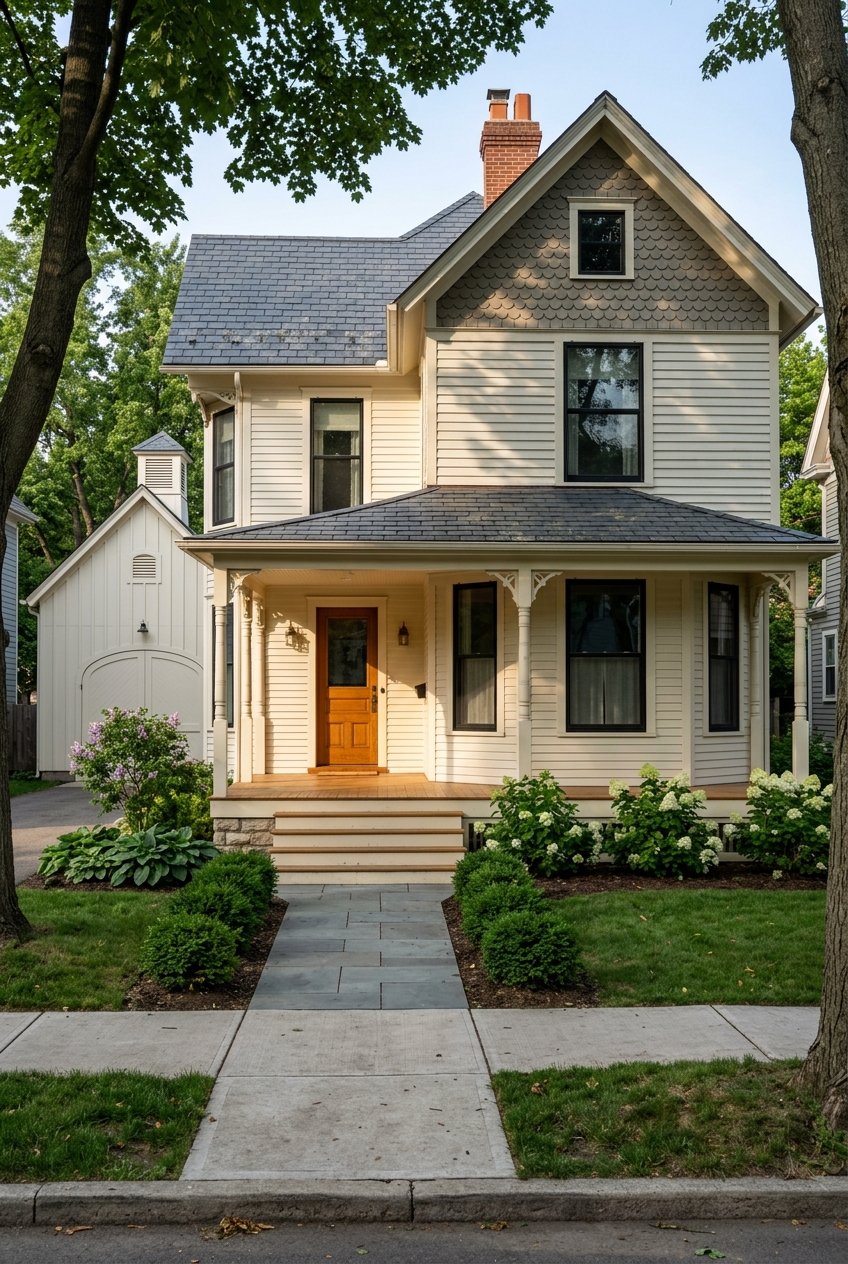
If you have ever walked a Saratoga Springs street and wondered why one home feels playful, another formal, and another quietly grand, you are seeing the city’s history in wood, brick, porches, and rooflines. For buyers and owners here, understanding historic home styles is about more than curb appeal. It helps you recognize what makes a property special, what stewardship may involve, and how to think clearly about long-term enjoyment. Let’s dive in.
Why Saratoga Springs Feels So Historic
Saratoga Springs is best understood through its historic districts, not just through a few standalone landmark homes. The City created its historic districts in 1977 to protect neighborhoods with special historic and architectural character from demolition, insensitive rehabilitation, and inappropriate new construction.
That local preservation framework shapes how the city looks and feels today. The main historic areas include Union Avenue, East Side, Congress Park, Hillside, Broadway, North Broadway, and Franklin Square. Together, these areas tell a broader story that includes mansions on Union Avenue, carriage houses on Grand Avenue, and commercial buildings on Broadway.
For you as a buyer or owner, that means a historic home in Saratoga often comes with a streetscape context. The setting, neighboring structures, porches, rooflines, and accessory buildings all contribute to the character of the property.
Queen Anne Homes in Saratoga Springs
Queen Anne is one of the most recognizable late Victorian styles in Saratoga Springs. These homes are often asymmetrical and expressive, with wrap-around porches, turrets, bays, varied wall materials, and decorative glass. Inside, the layout often opens around a central staircase rather than following a simple, boxy plan.
From the street, Queen Anne homes tend to feel lively and layered. You may notice changing wall planes, towers, projections, overhangs, and multiple textures. The result is a home that feels dynamic rather than restrained.
On North Broadway, several homes identified by the Saratoga Springs Preservation Foundation, including the Hewitt House, Brackett House, Hathorn House, and Scribner House, help define this style locally. Several were originally built as summer residences, which helps explain their porch-centered and picturesque presence.
If you are drawn to homes with strong personality and architectural detail, Queen Anne properties often stand out. They can feel especially appealing if you value craftsmanship, outdoor living through porches, and a more varied interior flow.
Italianate and Second Empire Styles
Italianate and Second Empire homes are also important parts of Saratoga Springs’ historic fabric, but they create a different impression than Queen Anne homes. These styles often feel more formal, vertical, and composed.
What defines Italianate homes
Italianate houses are usually taller in appearance and often feature low-pitched roofs, wide overhanging eaves, decorative brackets, and tall, narrow windows. You may also see porches or tower-like accents that give the house a villa-inspired look.
In Saratoga Springs, City Hall is described by the Saratoga Springs Preservation Foundation as Italianate, and the style appears in local residences as well. For a homeowner, Italianate architecture often reads as elegant and structured, with a strong relationship between the roofline, windows, and cornice details.
What defines Second Empire homes
Second Empire homes are easiest to identify by the mansard roof. That roof form creates usable space on the upper level and gives the house a taller, more stacked profile.
In Saratoga Springs, the King-Fuller-Jeffords Cottage and the Southgate-Breslin-Green Cottage are local examples noted by the Preservation Foundation. If you are comparing styles, Second Empire homes often feel substantial and urban in their organization, with a bold silhouette that is easy to recognize.
Shingle and Colonial Revival Homes
Not every historic Saratoga home is ornate. Some of the city’s most appealing historic houses are quieter in their design, even while remaining architecturally significant.
Why Shingle style feels relaxed
Shingle style homes are generally less ornament-heavy than Queen Anne homes. Their exteriors are often wrapped in shingles, and they tend to have irregular rooflines, open plans, and a close relationship between porches and interior living spaces.
The W. Smith Stone Cottage is one local summer residence identified as Shingle style. For many buyers, these homes feel relaxed, seasonal, and especially suited to Saratoga’s historic resort character.
Why Colonial Revival feels balanced
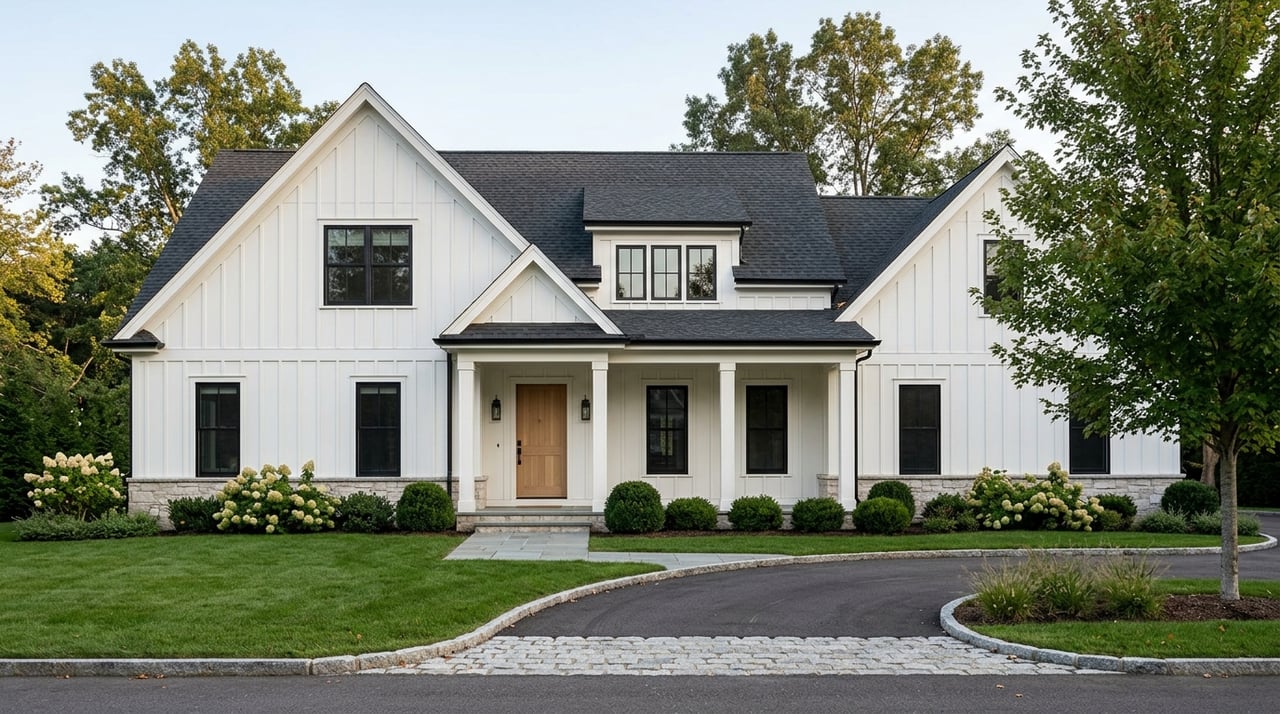
Colonial Revival homes move back toward order and symmetry. Common features include centered entries, classical door surrounds, multi-pane sash, and a more balanced façade.
The Mary S. Wayland House, which was transformed into a Colonial Revival house with double-gallery porches, helps illustrate the style locally. If you prefer a historic home that feels composed and easier to furnish in a traditional way, Colonial Revival can be especially appealing.
What “Victorian” Means in Saratoga Springs
In Saratoga Springs, “Victorian” is often best used as an umbrella term rather than a precise style label. Queen Anne, Italianate, Second Empire, and Shingle houses all contribute to the city’s late-19th-century character, but they express it in different ways.
That matters when you are touring homes or evaluating a property’s appeal. Two houses may both be described as Victorian, yet one may feel playful and asymmetrical while another feels formal and vertically organized. Knowing the difference helps you better understand the home in front of you.
Carriage Houses and Historic Outbuildings
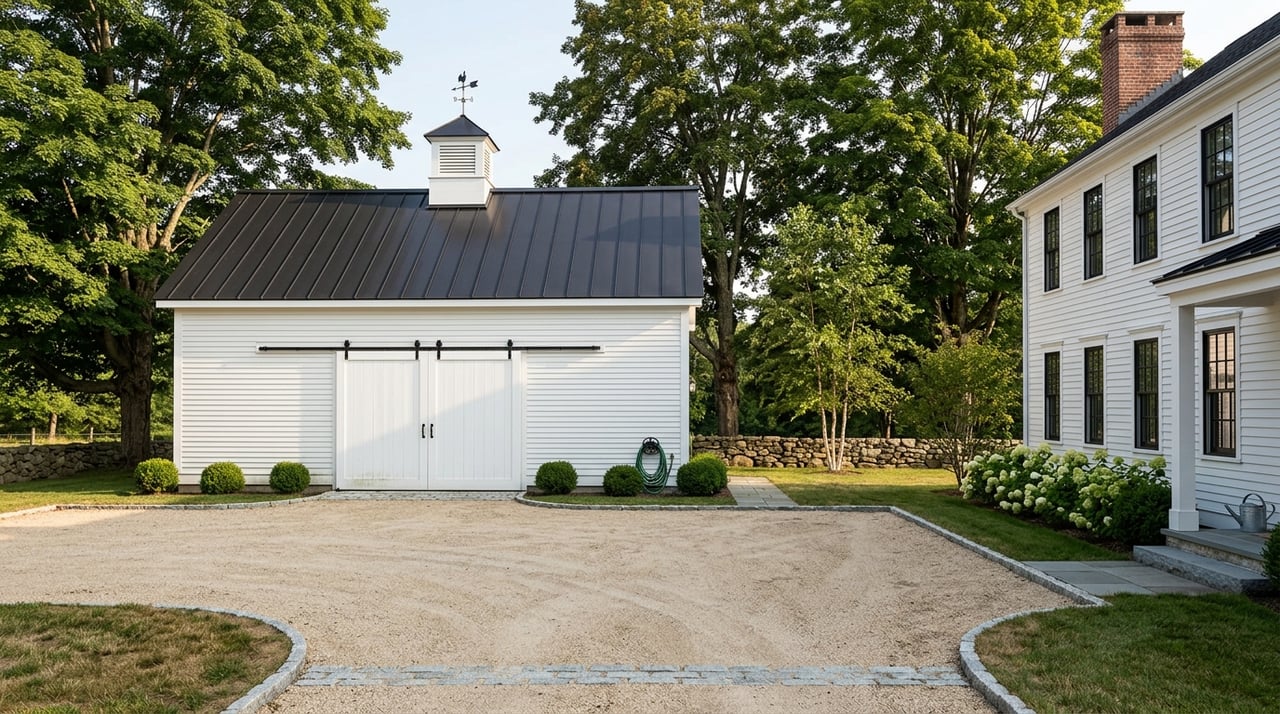
Carriage houses are one of Saratoga Springs’ most distinctive property features. Originally, these structures were built for horse-drawn carriages, tack, and sometimes living quarters for grooms or coachmen.
Today, a carriage house can be much more than an old accessory building. In many cases, it is a meaningful part of the property’s history and a potentially adaptable structure, depending on the property and the City’s requirements.
The City’s zoning code defines a historic carriage house or barn in those historic terms and allows certain structures to be converted into a second dwelling unit on the same lot under specific conditions. That said, approval is not automatic, and once a historic carriage house is approved as a second dwelling, later changes still require historic review and the structure cannot be expanded.
The City’s design guidance also reinforces that accessory structures should remain secondary in scale, typically sit toward the rear of the lot, and ideally be accessed from alleys or secondary streets when possible. In practical terms, that means the relationship between the main house, carriage house, driveway, and street matters.
What Stewardship Looks Like in Practice
Owning a historic home in Saratoga Springs often means balancing comfort with preservation. The goal is not to freeze a house in time, but to protect the features that define its character while allowing it to remain livable.
The Design Review Commission, or DRC, generally reviews exterior changes, signs, and demolitions in historic and architectural districts. Interior changes, ordinary maintenance, and paint color in residential districts are generally outside that jurisdiction.
If you are considering work on a historic home, the City’s guidance makes several priorities clear. Some features carry more weight because they play such a large role in the home’s appearance and in the surrounding streetscape.
Key features to pay attention to
- Roof size, shape, and pitch
- Original windows and doors
- Porch size, structure, and materials
- Exterior cladding such as wood, masonry, stone, or brick
- The relationship between the house, driveway, and the street
The City strongly discourages vinyl and metal siding on historic fabric. It also emphasizes that additions and new construction should be compatible with surrounding massing, scale, rooflines, window rhythm, and porch character without pretending to be old.
For you, that means good stewardship is often about restraint and fit. The strongest updates usually respect the house and the block rather than competing with them.
Renovation and Planning Considerations
If you love historic homes but worry about living in one, it helps to separate interior flexibility from exterior review. In general, interior modernization is outside DRC jurisdiction, while exterior work in historic or architectural districts generally needs approval first.
That distinction can make a major difference when planning your purchase. A home may offer room for updated kitchens, baths, and systems while still calling for thoughtful decisions about porches, windows, rooflines, or siding.
For some owners, preservation incentives may also be relevant. The New York State Historic Preservation Office says some owner-occupied historic residences may qualify for a 20% historic homeownership rehabilitation credit, while income-producing historic properties may be eligible for separate federal and state rehabilitation credits under different rules.
Choosing the Right Historic Style for You
The best historic home style is not always the most ornate or the most famous. It is the one that fits how you want to live and what kind of stewardship you feel ready to take on.
If you love visual detail and a lively street presence, Queen Anne may speak to you. If you prefer a formal rhythm and strong architectural lines, Italianate or Second Empire may feel like a better fit. If you want historic character with a quieter expression, Shingle or Colonial Revival may feel more natural.
In Saratoga Springs, style, setting, and stewardship are closely connected. A house is rarely just a floor plan here. It is part of a larger story about place, preservation, and long-term enjoyment.
If you are considering buying or selling a historic Saratoga property, thoughtful guidance can make all the difference. The right advisor helps you see not just what a home is, but what it represents and how to protect its value over time. To begin a curated conversation about Saratoga’s heritage properties, connect with Horse and Home Estates.
FAQs
What are the most common historic home styles in Saratoga Springs?
- In Saratoga Springs, commonly recognized historic styles include Queen Anne, Italianate, Second Empire, Shingle, and Colonial Revival.
What makes a Queen Anne house different from other Victorian homes in Saratoga Springs?
- A Queen Anne house in Saratoga Springs is typically more asymmetrical and decorative, often with wrap-around porches, turrets, bays, and varied textures.
What is a historic carriage house in Saratoga Springs?
- A historic carriage house in Saratoga Springs is an accessory structure originally built for horse-drawn carriages, tack, and sometimes quarters for grooms or coachmen.
Do exterior changes to historic homes in Saratoga Springs need approval?
- Yes, exterior changes in Saratoga Springs historic or architectural districts generally require review by the Design Review Commission.
Can you update the interior of a historic home in Saratoga Springs?
- In general, yes. Interior changes are typically outside the Design Review Commission’s jurisdiction.
What parts of a historic Saratoga Springs home matter most for preservation?
- Key features include the roof shape, original windows and doors, porches, exterior cladding, and the home’s relationship to the streetscape.
Can a carriage house be converted into living space in Saratoga Springs?
- Sometimes, yes. Certain historic carriage houses or barns may be converted into a second dwelling unit if they meet the City’s specific standards and review requirements.
Are there preservation tax credits for historic homes in New York?
- Some owner-occupied historic residences may qualify for a 20% historic homeownership rehabilitation credit through New York State, with separate programs available for some income-producing historic properties.