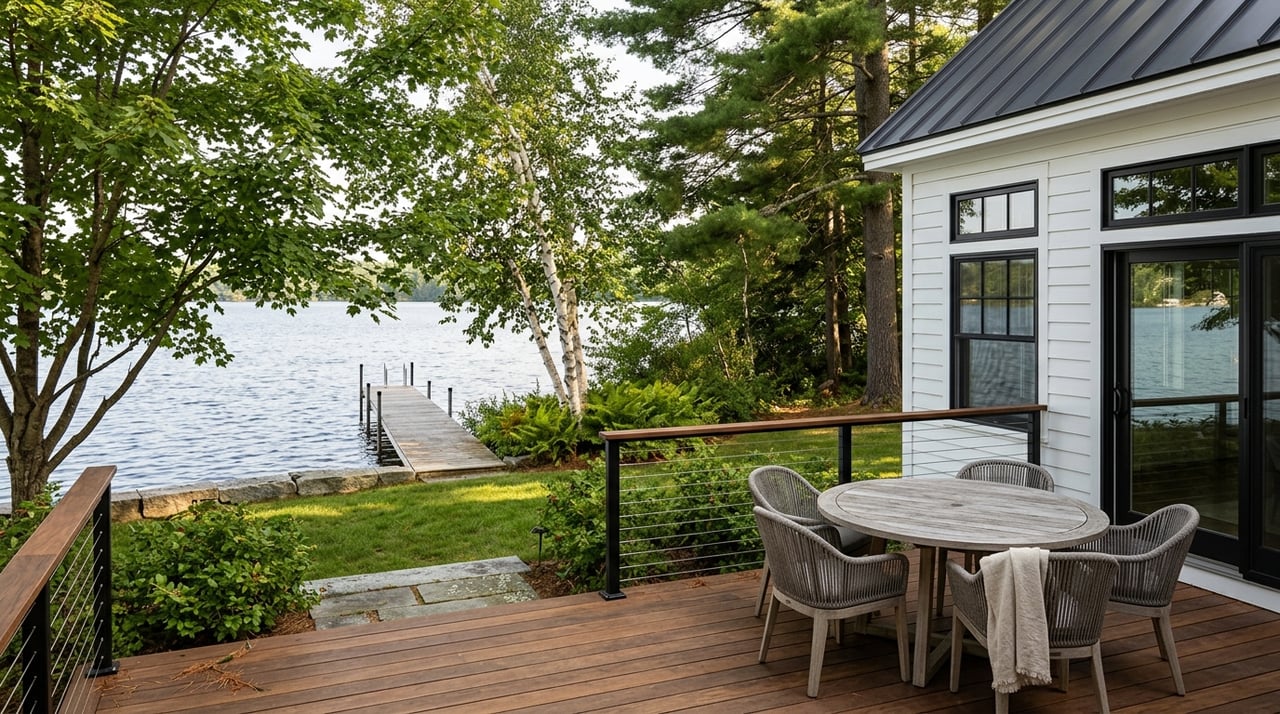
Have you ever imagined waking up to a wide band of blue water, mountain air, and the quiet pride of knowing your retreat sits on one of New York’s most iconic lakes? Owning on Lake George can feel deeply rewarding, but it is not the same as owning an ordinary lake house. You are stepping into a lifestyle shaped by seasons, shoreline rules, and the ongoing care that a true waterfront property deserves. If you are considering a retreat here, this guide will help you understand what daily life, hosting, and stewardship really look like. Let’s dive in.
Lake George living feels seasonal
A Lake George waterfront retreat is defined as much by the calendar as by the shoreline. The lake stretches roughly 32 miles, with the Village of Lake George serving as the commercial hub at the southern end and other shoreline communities, including Bolton Landing, Diamond Point, and Hague, adding their own pace and character.
From Memorial Day weekend through Labor Day, the area is at its busiest. Summer brings boating, swimming, kayaking, and paddleboarding, while fall shifts the energy toward hiking and foliage. Winter is quieter, but the region still draws people for skiing, snowshoeing, snowmobiling, ice fishing, and the Lake George Winter Carnival.
That seasonal rhythm shapes how you use your home. In peak season, your retreat can feel vibrant and social. In the shoulder seasons, it often becomes more peaceful and reflective, with enough year-round businesses still open to keep the area active without the intensity of summer crowds.
Waterfront ownership is hands-on
The beauty of Lake George comes with real responsibilities. This is a highly protected lake, and ownership tends to be more involved than many buyers first expect.
If you or your guests bring in a trailered boat, the Lake George Park Commission requires that it be inspected for invasive species at one of the regional inspection stations before launch. Inspection and decontamination are provided at no cost, and launching without inspection and removal of invasive species is unlawful.
Once you are on the water, special navigation rules apply. The Commission sets speed limits, requires a 5 MPH no-wake speed within 100 feet of docks and moorings, and requires safety gear and an observer for activities like waterskiing or tubing. Lights are required from sunset to sunrise, and boating while intoxicated is a crime.
For many owners, these rules become part of the rhythm of lake life. They help preserve the lake while also setting clear expectations for family and guests. In practice, that means good ownership here includes not just enjoying the water, but also helping others use it responsibly.
Docks and shoreline need ongoing care
One of the biggest surprises for some buyers is how much attention the shoreline can require. On Lake George, new docks, moorings, and modifications require permits through the Lake George Park Commission, and docks and moorings must be registered annually.
Lake levels are another important part of the ownership experience. Because Lake George is a natural lake managed within a relatively narrow annual range, generally about 12 to 16 inches, with lower summer targets and winter drawdown ahead of spring snowmelt, your dock, lift, and shoreline access can be more sensitive to seasonal changes than you might expect.
That matters when you think about convenience. A dock that works beautifully at one point in the season may require more attention at another. The result is a property that rewards careful setup, regular inspection, and a long-term mindset.
Stewardship is part of the lifestyle
Owning on this lake is not just about private enjoyment. It also means caring for a sensitive shoreline environment.
New York State guidance encourages soft or natural shoreline protection methods when possible and notes that permits are needed for most stabilization work. Hard structures, such as retaining walls, permanent docks, and artificial sand beaches, can increase erosion or disrupt shoreline systems.
For waterfront owners, septic performance and stormwater management also matter. The Lake George Park Commission’s septic systems program reflects how seriously the region treats water quality and nutrient control. In simple terms, stewardship is not an extra task here. It is part of what responsible ownership looks like.
Village access or private seclusion
Where you buy on Lake George has a major impact on how the retreat feels. The southern village area is the most built-up and amenity-rich part of the shoreline, with public spaces like Shepard Park at the center of village activity and additional beaches and parks in the broader town.
If you enjoy easy access to events, waterfront dining, beaches, and a more connected atmosphere, a property near the village may feel convenient and energizing. The seasonal trolley network linking Lake George Village, Diamond Point, and Bolton Landing also makes this part of the lake feel more active and interconnected during the busier months.
Farther from the village, shoreline properties tend to feel more private and self-contained. For many second-home buyers, that quiet can be the point. The tradeoff is that daily errands, services, and public activity may feel less immediate, so the best fit often depends on how you want to spend your time once you arrive.
Utilities vary more than you may expect
Waterfront buyers often assume lake properties share the same infrastructure, but service can vary by location. The Town of Lake George notes that the Village of Lake George Department of Public Works manages the Caldwell Sewer Department in the town and also operates a water department that extends into parts of the town, while Diamond Point is served by its own water district.
That means you should confirm exactly which municipality or utility district serves a property before making assumptions. For a buyer seeking a smooth seasonal home experience, these details matter. Utility setup, maintenance expectations, and service districts can all shape ownership in practical ways.
Hosting guests is part of the appeal
One reason Lake George waterfront ownership feels so special is how easy it is to build memorable weekends around the home. Your retreat can serve as both a private escape and a gathering place, especially in summer when the lake is at its most active.
Guests can enjoy more than time at the dock. In and around Lake George, you have access to hiking destinations such as Prospect Mountain Trail, along with trails in the Lake George Wild Forest that lead to places like Black Mountain, Shelving Rock, Buck Mountain, and the Tongue Mountain Range.
Public attractions also add flexibility for hosting. Boat cruises, charters, waterfront dining, beaches, and historic destinations like Fort William Henry give visitors plenty to do beyond the property itself. That combination of private retreat and destination access is a major part of the lake’s lasting appeal.
A retreat here feels resort-like, with responsibility
The best way to think about owning a Lake George waterfront retreat is as a balance. You get beauty, recreation, and a powerful sense of place, but you also take on the duties that come with a protected and heavily loved lake.
When everything is working well, the experience can feel almost resort-like. Mornings on the dock, afternoons on the water, dinners with family, and crisp fall weekends all have a special pull here. Yet that ease is usually supported by thoughtful planning, proper permitting, shoreline care, and a clear understanding of seasonal use.
For buyers who value lifestyle, legacy, and stewardship, that balance is often exactly the point. A Lake George retreat is not simply a house with water access. It is a place you care for, return to, and shape over time.
If you are considering a lakeside purchase in Lake George or the broader Adirondack gateway, working with a brokerage that understands both the lifestyle and the practical realities can make the process feel far more seamless. To explore waterfront opportunities with a boutique, high-touch approach, connect with Horse and Home Estates.
FAQs
What is daily life like at a Lake George waterfront home?
- Daily life often follows the seasons. Summer is the busiest time on the lake, while fall and winter bring a quieter pace with continued access to outdoor recreation and some year-round attractions and services.
What should buyers know about boating on Lake George?
- Trailered boats must be inspected for invasive species before launch, and boaters must follow Lake George Park Commission rules on speed, no-wake zones, safety equipment, lighting, and lawful operation.
What should owners expect from Lake George docks and moorings?
- New docks or moorings, and changes to existing ones, require permits, and docks and moorings must be registered annually. Owners should also expect seasonal lake-level changes to affect access and maintenance.
What is the difference between village and secluded Lake George waterfront properties?
- Village-area properties generally offer easier access to parks, events, dining, and public activity, while properties farther from the village often feel quieter and more private.
What utility questions matter for Lake George waterfront buyers?
- Buyers should confirm which water or sewer district serves the property, since utility service can vary by municipality and location around the lake.
Why does stewardship matter for Lake George waterfront ownership?
- Waterfront ownership on Lake George includes caring for shoreline conditions, understanding permit requirements, and paying attention to systems like septic and stormwater to help protect water quality.