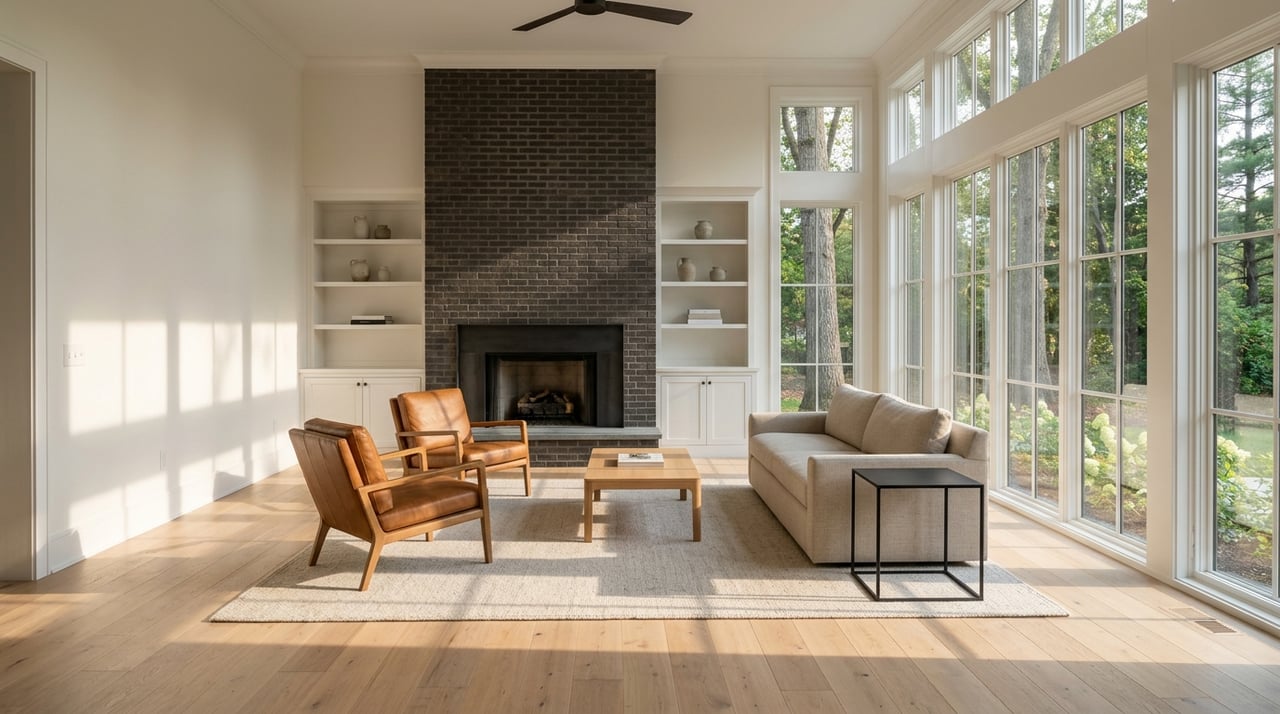
If you want more space, more privacy, and an easier connection to Albany without feeling far from everyday convenience, Clifton Park deserves a close look. For many buyers, the challenge is finding a setting that feels more open and established while still supporting a practical commute and an active day-to-day routine. This guide will show you why Clifton Park stands out for estate-style living, what shapes its residential character, and what to weigh before you buy. Let’s dive in.
Why Clifton Park Appeals to Albany Buyers
Clifton Park sits about 12 miles north of Albany and about 10 miles south of Saratoga Springs, giving you a strong regional position between two major hubs. If you work in or around Albany but want a quieter residential setting, that location can feel like a smart middle ground.
The town also offers the scale many move-up buyers want. According to Census QuickFacts, Clifton Park had 38,029 residents in 2020, an 83.2% owner-occupied housing rate, a median owner-occupied home value of $395,400, and a median household income of $133,359 for 2020 through 2024. Those figures help explain why the market often attracts buyers seeking long-term homes rather than purely short-term moves.
What “Estate Living” Means Here
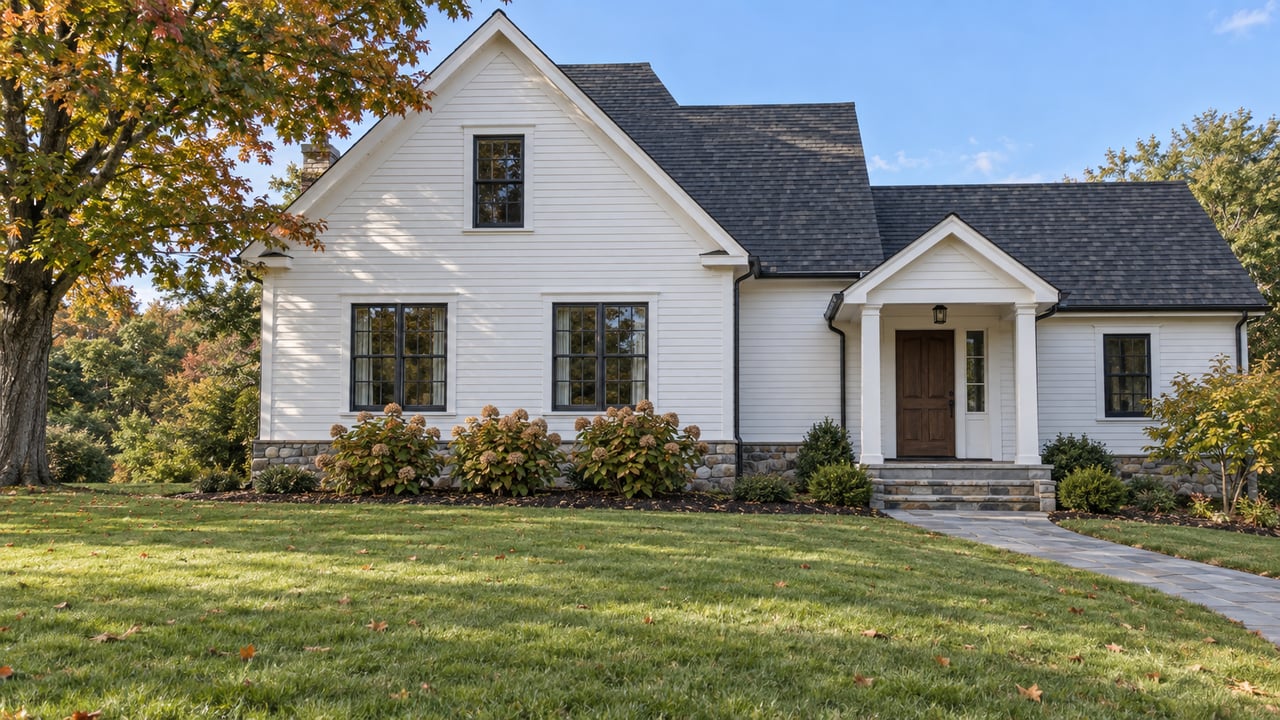
Clifton Park is best understood as a place with a spectrum of estate-style settings, not one formal estate district. You will find wooded residential areas, preserve-adjacent homes, and lower-intensity neighborhoods that create a sense of space and separation.
A major reason is the town’s land-use framework. Clifton Park’s Conservation Residential zone is designed to protect rural character, open space, and agricultural heritage while allowing low-intensity development. The town has also preserved 2,076 acres of open space since 2000, which helps maintain the roomy, green character many buyers associate with estate living.
That preserved landscape matters in daily life. It shapes sightlines, buffers between homes, and the feeling of living near protected land rather than in a tightly packed subdivision pattern. For buyers moving from denser Albany-area settings, that difference can be a major part of the appeal.
Neighborhood Patterns To Know
Clifton Park’s residential identity is spread across several named park districts and affiliated neighborhoods. The town’s Park District Advisory Committee lists districts such as Addison Estates / Meadow Estates, Clifton Gardens, Clifton Knolls Mill Creek, Dwaaskill, Longkill #1, Longkill #2, Riverview #1, Sherwood Forest, Stony Creek #1, Stoney Creek #2, and Wyncrest.
The town also identifies affiliated neighborhoods including Country Knolls, Country Knolls West, Country Knolls Ashley Section, Dutch Meadows, Van Wyck Estates, Windsor Point, Presidential Estates, Maple Leaf Estates, and Park Lane Estates. For buyers, this means Clifton Park is less about one signature enclave and more about choosing the right balance of lot size, setting, access, and neighborhood structure.
Another practical detail is governance. Park districts are resident-governed and supported by a small annual levy, which can affect carrying costs and neighborhood oversight. When you compare properties, it is worth asking not just about the home itself, but also about the district structure tied to it.
Open Space Shapes The Lifestyle
One of Clifton Park’s strongest advantages is how deeply open space is woven into the town. Since 2000, the town says its trail work has added 17 miles of new trails, and the community now includes more than 30 miles of paths.
That matters if your idea of estate living includes more than a larger house. In Clifton Park, space often comes with access to trails, preserves, and community green areas that support a more outdoors-oriented lifestyle.
Two preserves stand out in particular:
- Dwaas Kill Nature Preserve offers 250 acres of wetlands and woodlands with rugged hiking terrain and fishing trail access.
- Vischer Ferry Nature & Historic Preserve spans more than 600 acres with riverfront access, hiking, fishing, cross-country skiing, bird-viewing, and towpath access along the historic Erie Canal route.
For many buyers, these places reinforce a sense of privacy and breathing room. Even if your property is not a large estate in the traditional sense, the surrounding environment can still deliver that wider, more natural feeling.
Convenience Still Matters
Space is important, but so is convenience. Clifton Park’s practical side is centered around the Northway corridor and the main local routes that connect residents to shopping, dining, offices, and services.
The town map places I-87, Route 146, Moe Road, Clifton Country Road, and Route 9 around the town center. The town also directs traffic from I-87 exits 8A and 9, Route 9, and Route 146 toward Clifton Park Center, making that area a key hub for daily errands and services.
This is one reason Clifton Park works well for Albany-area buyers. You can often get a more private residential setting without giving up easy access to the places that support everyday life.
What Commute-Conscious Buyers Should Check
If commuting is part of your weekly rhythm, Clifton Park offers a useful balance. The Census Bureau reports a mean travel time to work of 26.1 minutes, which supports the town’s reputation as a practical choice for regional commuters.
Still, route details matter. Traffic can get heavy around Clifton Park Center, especially during event periods, so your exact location within town can shape how convenient your day feels.
There is also one current infrastructure note worth checking before you buy. As of July 12, 2026, Riverview Road over I-87 is closed for bridge replacement until about June 30, 2027. If you expect to rely on that connector, verify alternate routes and drive times before making a decision.
Parks And Amenities Add Depth
Estate-style living is not only about the home site. It is also about whether the broader town supports the kind of life you want to build there.
Clifton Common is one of the town’s central amenities. The 81-acre park includes baseball, softball, and soccer fields, outdoor basketball courts, a playground, an outdoor stage, two indoor skating arenas, and the senior center.
The town also says it maintains 3 pools, 19 playgrounds, and 35 park areas. That variety gives buyers a wider sense of day-to-day livability and helps explain why Clifton Park remains attractive to households looking for both space and structure.
Town Center Park adds another layer of convenience. Located at 499 Moe Road, it connects directly to shopping, offices, restaurants, residential living, and community activities, which supports the town’s blend of privacy and accessibility.
A Note On Schools As A Relocation Factor
For some buyers, school district boundaries are an important part of a move. Shenendehowa Central Schools says it covers about 86 square miles, serves Clifton Park and surrounding towns, and includes 8 elementary schools, 3 middle schools, and a high school on a 232-acre campus in Clifton Park.
The district also states that more than 9,000 students attend. If schools are part of your housing search, confirm district placement for any specific property you are considering.
Is Clifton Park Right For Your Next Move?
Clifton Park tends to fit buyers who want a more settled, open residential environment while staying connected to Albany and the broader Capital Region. Its appeal comes from the combination of preserved land, lower-intensity development patterns, established neighborhoods, and practical access to daily conveniences.
Just as important, the town does not offer a one-size-fits-all version of estate living. Some buyers will prioritize wooded settings, some will want proximity to trails and preserves, and others will focus on commute efficiency or neighborhood governance. The best match comes from understanding how those priorities line up with specific areas within town.
If you are exploring estate-style living in Clifton Park, a curated, local perspective can help you weigh setting, access, and long-term fit with greater confidence. To start a thoughtful conversation about your next move, connect with Horse and Home Estates.
FAQs
What does estate living in Clifton Park usually look like?
- In Clifton Park, estate living usually means a more spacious, low-intensity residential setting with wooded surroundings, open-space preservation, and a quieter feel rather than one formal estate district.
How far is Clifton Park from Albany for daily commuting?
- Clifton Park is about 12 miles north of Albany, and the Census Bureau reports a mean travel time to work of 26.1 minutes.
What makes Clifton Park feel more private than other suburbs?
- The town’s Conservation Residential zoning, preserved open space, trail network, and preserve system help create a more open and buffered residential character.
What should Clifton Park buyers know about park districts?
- Park districts in Clifton Park are resident-governed and supported by a small annual levy, so they can affect both neighborhood governance and carrying costs.
What outdoor amenities are available in Clifton Park?
- Clifton Park offers Clifton Common, more than 30 miles of paths, 35 park areas, 3 pools, 19 playgrounds, and preserves such as Dwaas Kill Nature Preserve and Vischer Ferry Nature & Historic Preserve.
What should Albany-area buyers verify before buying in Clifton Park?
- You should verify your expected commute routes, traffic patterns near town-center corridors, and any property-specific district details, especially while the Riverview Road bridge connection over I-87 is closed through about June 30, 2027.