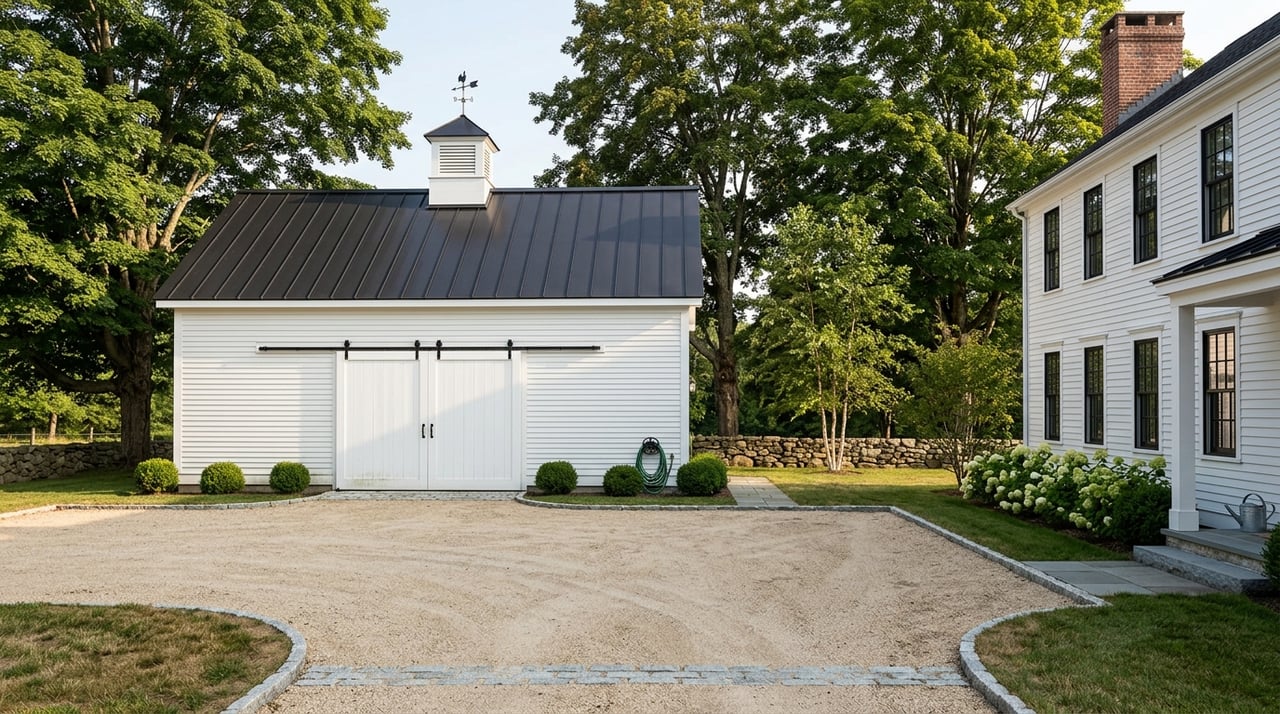
If you picture a country estate as total isolation, Saratoga may surprise you. In the Saratoga Gateway Region, you can find acreage, privacy, and even equestrian potential without giving up access to culture, travel, and year-round recreation. If you are trying to decide whether this lifestyle fits you, this guide will help you weigh the land, the logistics, and the long-term stewardship that come with owning a Saratoga-area estate. Let’s dive in.
What Defines the Saratoga Gateway Region
The Saratoga Gateway Region is best understood as the Saratoga Springs-to-Adirondack corridor. Saratoga Springs sits at the center, with Greenfield and Wilton to the north, Saratoga to the east, Malta to the south, and Milton to the west.
That setting matters because most true country-estate opportunities are not in the city core. Saratoga Springs covers just over 18,500 acres, so buyers looking for larger parcels often find the best options in the surrounding towns, where land opens up and estate-scale properties are more common.
Why Buyers Look Here
This region appeals to buyers who want more than a house. You may be looking for a place with room to breathe, land for horses, a private retreat, or a property that feels connected to Saratoga’s larger story of preservation and rural character.
At the same time, country living here does not mean you are cut off. The area is connected by I-87, US Route 9, and several state routes, with Albany International Airport about 30 miles south, Saratoga County Airport about 3 miles from Saratoga Springs, and Amtrak service in downtown Saratoga.
Country Living With Regional Access
One of the strongest reasons to choose this area is balance. You can enjoy a more private setting while still reaching Saratoga’s restaurants, arts venues, and seasonal attractions without a major sacrifice in convenience.
That balance also extends north. Saratoga, Lake George, and the Adirondacks are often framed as one broader destination, which gives country-estate owners access to a wider lifestyle footprint that blends town, open land, and mountain-bound recreation.
Where Acreage Fits Best
Look Beyond Downtown Saratoga
If acreage is your priority, your search will likely expand beyond central Saratoga Springs. The surrounding towns offer the stronger inventory pattern for larger tracts, agricultural land, and estate properties with room for barns, paddocks, detached buildings, or long private drives.
The county’s agricultural district map offers a useful lens for identifying more rural settings. Towns tied to these districts include Saratoga, Stillwater, Wilton, Northumberland, Moreau, Greenfield, Malta, Milton, Corinth, Galway, Hadley, Ballston, Charlton, Providence, Edinburg, and Clifton Park.
Agricultural Districts Matter
In Saratoga County, agricultural districts shape the policy context for rural land. Under New York’s Article 25-AA, farms in certified agricultural districts can receive partial real-property-tax relief and protections related to overly restrictive local laws, government-funded land acquisitions, and nuisance complaints tied to agricultural practices.
For you as a buyer, that means the phrase country estate can involve more than scenery. In some cases, it may overlap with working-land protections, long-term land-use considerations, and a preservation-minded ownership framework.
Preservation Is Part of the Landscape
Saratoga County has preserved more than 6,000 acres of farmland and open space over the previous 20 years through its Farmland and Open Space Program, according to the county’s 2024 update. That history helps explain why so many properties in the region still feel open, rural, and connected to land stewardship.
If preserving views, field systems, or agricultural character matters to you, this is an important part of the local story. It supports the idea that estate ownership here often comes with a sense of care for the land, not just enjoyment of it.
Equestrian Potential in Saratoga County
For many buyers, horse use is a major reason to consider a country estate here. In Saratoga County, horse farms account for roughly 13% of agricultural parcels and about 39% of agricultural land value, with an average horse-farm parcel value around $1.1 million.
That tells you equestrian ownership is not a niche afterthought in this market. It is a meaningful part of the county’s land economy and one reason estate buyers often focus on layout, turnout, riding access, and long-term usability from the start.
What to Evaluate for Horse Use
If you are considering a property for horses, look closely at the practical side of the land. A beautiful field alone is not enough.
Key questions to ask include:
- Is the parcel within an agricultural district?
- Does the layout support barns, turnout, and circulation?
- Is there enough usable acreage for your intended use?
- Are the well and septic systems adequate for the property’s demands?
- Is there nearby access to equine-friendly trail systems?
County trail resources show equine access is part of the broader landscape, including the Homestead County Forest Equine Trail in Moreau and the Kalabus-Perry Trail in Wilton. For buyers who value riding beyond the property line, that can be a meaningful advantage.
Due Diligence Matters More on Estate Properties
Buying a country estate usually involves more investigation than buying a standard in-town home. Larger parcels can come with added variables tied to water supply, wastewater systems, drainage, road access, and environmental conditions.
Saratoga County Department of Health reviews realty subdivision plans for water-supply sources, sewage disposal, lot layout, drainage, environmental health protection, and sanitary-code compliance. Depending on the property, other agencies may also be involved for wetlands, stormwater, road access, and sewer connections.
Focus on Wells and Septic Systems
Many rural and semi-rural properties in this area rely on private wells and onsite wastewater systems rather than public utilities. The county operates under New York State sanitary code requirements for drinking water supplies and residential onsite systems, which makes these components central to your review.
Before closing, you should have a clear understanding of:
- Water source and overall condition
- Septic system type and condition
- Drainage patterns across the site
- Access drives and road conditions
- Any wetlands or stormwater concerns
These details may not be glamorous, but they shape daily ownership and future costs. On an estate property, practical systems are just as important as architecture and views.
Climate and Maintenance Are Part of the Decision
A Saratoga-area estate can be beautiful in every season, but every season asks something of the owner. NOAA normals for the Saratoga Springs 4 SW station show an annual mean temperature of 48.9°F, annual precipitation of 46.38 inches, and annual snowfall of 63.5 inches.
In everyday terms, that means winter planning should be part of your buying decision. Snow removal, freeze-thaw wear, driveway upkeep, and broader landscape maintenance are all more significant on a large property than on a compact city lot.
Think About Year-Round Upkeep
Saratoga Springs is identified in USDA hardiness zone 5a, which also matters for planting and landscape expectations. If your property includes long drives, fencing, open fields, mature trees, or outbuildings, maintenance becomes an ongoing part of ownership.
This does not make estate living harder than other choices. It simply means the right buyer is usually someone who values the land enough to care for it well through every season.
Lifestyle: Land, Culture, and Recreation
What makes this region special is not just the acreage. It is the way open land and cultural life sit side by side.
Saratoga Performing Arts Center is set within a 2,400-acre park preserve and hosts resident companies including New York City Ballet, The Philadelphia Orchestra, and the Chamber Music Society of Lincoln Center. Saratoga National Historical Park adds another major layer of open space and local history, while Saratoga Race Course, opened in 1863, remains a defining part of the area’s identity.
Outdoor Recreation Is a Real Asset
For buyers who want an active lifestyle, Saratoga County’s trail and forest resources add practical value. The county says it owns about 3,000 acres of forestland and more than 300 miles of trails.
The trail network includes equine routes as well as 181 miles of seasonal snowmobile trails through 19 municipalities. Depending on where you buy, that can support horseback riding, hiking, biking, snowshoeing, and winter recreation as part of daily life, not just weekend plans.
Understand the Summer Energy
Saratoga’s popularity is part of its appeal, but it also creates a seasonal rhythm you should understand. Saratoga Race Course runs a 40-day summer meet, and the track, SPAC, and other attractions bring a noticeable increase in activity.
If you want a more peaceful daily setting, think carefully about how close you want to be to downtown Saratoga, the race course, and event-heavy corridors. If you enjoy the social energy, a location with easier access may feel like a real advantage.
How to Know If This Lifestyle Fits You
A Saratoga-area country estate tends to suit buyers who want privacy, acreage, and the possibility of equestrian or rural use, but who still value access to town, travel connections, and regional amenities. It is often an ideal fit if you see property ownership as both a lifestyle choice and a form of stewardship.
You may be especially well matched to this market if you value:
- Privacy without full remoteness
- Land that supports a long-term vision
- Equestrian or agricultural potential
- Access to culture, trails, and seasonal events
- A preservation-minded approach to ownership
- Readiness for year-round property care
The best estate purchase is rarely just about square footage or frontage. It is about whether the land, the setting, and the responsibilities align with how you want to live.
Choosing With Clarity
In the Saratoga Gateway Region, a country estate is best viewed as a hybrid of practicality and place. You are not simply buying a larger home. You are choosing a setting that may involve land systems, seasonal maintenance, preservation context, and a stronger connection to the rural character that defines this part of Saratoga County.
If that combination speaks to you, the right property can offer both everyday privacy and lasting value. For buyers who care about legacy, landscape, and thoughtful ownership, this region offers a compelling place to begin.
If you are exploring a country estate, horse property, or legacy acreage in the Saratoga region, Horse and Home Estates offers a concierge-level, place-driven approach grounded in local stewardship and equestrian expertise.
FAQs
What is the Saratoga Gateway Region for country-estate buyers?
- For country-estate buyers, the Saratoga Gateway Region is best understood as the Saratoga Springs-to-Adirondack corridor, with Saratoga Springs at the center and surrounding towns often offering the strongest opportunities for acreage and privacy.
Which Saratoga-area towns may offer a more rural feel?
- Saratoga County’s agricultural districts point buyers toward towns such as Saratoga, Stillwater, Wilton, Northumberland, Moreau, Greenfield, Malta, Milton, Corinth, Galway, Hadley, Ballston, Charlton, Providence, Edinburg, and Clifton Park.
What should you inspect before buying a Saratoga country estate?
- Before buying a Saratoga country estate, you should closely review the water source, septic condition, drainage, road access, and any wetlands or stormwater issues.
Is Saratoga country living too remote for travel?
- No, most country properties in the region still benefit from strong regional access, including I-87, US Route 9, Albany International Airport, Saratoga County Airport, and Amtrak service in downtown Saratoga.
Is the Saratoga area practical for horse property buyers?
- Yes, Saratoga County has a meaningful equestrian land base, agricultural-district context, and county trail systems with equine access, which makes the area a practical option for buyers considering horse use.
What kind of buyer is the best fit for a Saratoga country estate?
- The best fit is usually a buyer who values privacy, acreage, possible horse use, preservation-minded ownership, and the responsibility of maintaining a larger property through all four seasons.