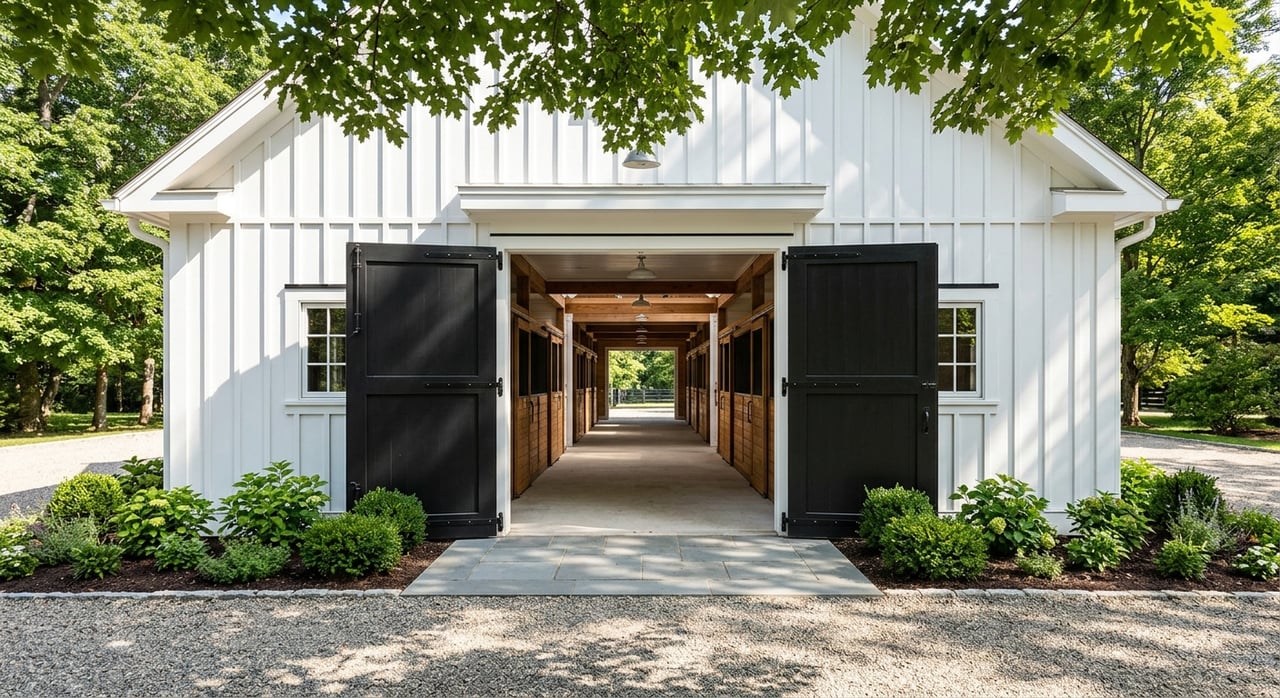
You do not move to Lexington for horse culture as a side note. You move here because horses shape the land, the rhythm, and the way many people experience daily life. If you are exploring a farm, a rural residence, or simply a home with close ties to the region’s equestrian world, it helps to understand what that lifestyle really looks like on the ground. This guide will walk you through where Lexington’s equestrian identity lives, how the seasons affect everyday ownership, and what to verify before you buy. Let’s dive in.
Lexington Lives Its Horse Identity
Lexington is widely known as the Horse Capital of the World, but that identity is not limited to a few scenic roads or marquee events. The equine footprint is regional, extending across Fayette County and neighboring Bluegrass counties including Bourbon, Clark, Jessamine, Madison, Scott, and Woodford.
Within Fayette County, Lexington’s 12th District alone makes up 70% of the county’s landmass and includes suburban neighborhoods, rural residences, horse farms, the Kentucky Horse Park, and Keeneland. That tells you something important right away: in Lexington, equestrian life is not tucked away. It is woven into the broader landscape.
The scale is substantial. Fayette County’s 2022 fact sheet estimates 22,500 horses on 950 equine operations, with about $2.41 billion in equine and equine-related assets. Top uses include broodmares, racing, young horses, show horses, and idle horses, which reflects a market tied to both sport and long-term stewardship.
The Equestrian Lifestyle Is Regional
If you are imagining a lifestyle built around easy access to horses, events, and working farms, Lexington offers that in a way few places can. This is less a city with an equestrian scene and more a metro area embedded in a protected working horse landscape.
That matters for buyers because the experience can vary by property. Some homes place you near public-facing venues and seasonal events, while others connect you more directly to pasture management, farm infrastructure, and everyday horse care. Knowing which version of the lifestyle fits you best is a valuable place to start.
Keeneland Anchors the Culture
Keeneland is one of Lexington’s defining equestrian institutions. It is the world’s largest and most prominent Thoroughbred auction house, and it also hosts world-class racing during its Spring and Fall meetings.
For many owners, riders, and horse enthusiasts, Keeneland creates a recurring seasonal rhythm. It draws buyers, sellers, trainers, and fans from around the world, which gives Lexington an international equestrian presence that still feels deeply local when you live nearby.
If your vision of equestrian living includes proximity to sales, race meets, and the social energy that comes with them, Keeneland is a major part of that picture. It is one of the reasons Lexington feels active and connected well beyond everyday farm life.
Kentucky Horse Park Broadens Access
The Kentucky Horse Park adds another layer to the lifestyle. It welcomes more than one million visitors each year and offers live shows, museum experiences, horseback rides, and a steady calendar of competitions.
Its events include hunter-jumper, Saddlebred, eventing, and Pony Club competitions, which helps explain why the park functions as both an attraction and a working venue. For residents, that means horse culture is not reserved for private farms or industry insiders.
If you want to enjoy equestrian life without owning a large farm from day one, the Horse Park helps make that possible. You can stay close to the sport, attend events, and experience the region’s horse heritage in a very direct way.
Training and Riding Options Matter
Lexington also supports the working side of the horse world. The Thoroughbred Center, located on Paris Pike in northeast Lexington, is a 245-acre year-round training facility.
For buyers who want access to riding opportunities beyond private acreage, Lexington Parks & Recreation offers equestrian lessons at Masterson Station Park. Hisle Farm Park also includes a shared-use horse-and-hiker trail across about 280 acres of rolling pasture land roughly five miles northeast of downtown.
These options matter because equestrian living is not one-size-fits-all. You may want a full farm compound, or you may want a residence that keeps you close to riding, training, and events without the responsibilities of managing a larger operation.
Daily Life Is Built on Routine
The Lexington equestrian lifestyle is often romanticized, but daily life is usually more practical than theatrical. The routine tends to center on turnout, feeding, muck management, pasture rotation, and seasonal upkeep.
That cadence makes sense when you look at the local climate. NOAA normals for Lexington show an annual average temperature of 56.3°F, a summer average of 75.2°F, a winter average of 36.4°F, annual precipitation of 49.84 inches, and 14.5 inches of snowfall.
In real terms, that means warm, wet growing seasons and cool winters. If you are evaluating a farm or farm-adjacent property, details like drainage, shade, ventilation, footing, and winter mud management deserve close attention because they shape how comfortably and efficiently a property functions.
Pasture Quality Shapes Ownership
In Kentucky, pasture is not just scenery. University of Kentucky Extension notes that quality pasture can provide much of a horse’s nutrient needs for maintenance or light work for much of the year.
That makes land quality a practical concern, not just an aesthetic one. A beautiful field may still require careful evaluation for grazing efficiency, rotation, and overall management.
UK’s equine extension network serves all 120 Kentucky counties and supports pasture evaluation, veterinary outreach, and owner education. Alongside that, USDA NRCS materials describe horse-friendly practices such as fencing, water crossings, composting facilities, and heavy-use area protection.
If you are considering a Lexington-area equestrian property, these are the kinds of details that help separate a visually appealing farm from one that supports smooth day-to-day use.
What Buyers Should Look For
When you tour equestrian or farm-adjacent properties in Lexington, it helps to think beyond the home itself. The right questions often focus on how the land works over time and in different seasons.
Consider asking about:
- Pasture layout and rotation potential
- Drainage in paddocks and heavy-use areas
- Shade and ventilation for horses
- Existing fencing and crossing points
- Space for manure or compost management
- Access to riding, training, or competition venues
- Seasonal conditions during wet periods and winter months
A well-located property may still need thoughtful planning to support your goals. The strongest fit is usually one that aligns both with your lifestyle vision and the practical demands of equine use.
Preservation Shapes the Landscape
One of Lexington’s defining strengths is that its agricultural landscape is being actively preserved. The city’s Preservation and Growth Management Program, approved on February 12, 2026, explicitly aims to safeguard significant agricultural areas while guiding future growth.
LFUCG’s Purchase of Development Rights program adds another layer of long-term protection. According to the program, more than 33,000 acres across 304 farms have been permanently protected.
For many buyers, this is part of Lexington’s appeal. The surrounding horse-country setting is not accidental. It is supported by policies that aim to preserve the working rural landscape that gives the region its character.
Verify Land Use Early
Preservation can protect the setting, but it can also affect what changes are allowed on a property. LFUCG notes that PDR farms need Rural Land Management Board approval for new housing, paving, and some infrastructure changes.
That does not mean a property is less desirable. It means you should confirm what is permitted before assuming you can add a barn, modify a driveway, install fencing, or expand residential improvements.
Lexington’s zoning ordinance regulates land development in Fayette County. The city also notes that its floodplain rules must comply with the Kentucky Division of Water and the National Flood Insurance Program, and it provides a flood-hazard viewer for local review.
Why Guidance Matters in Lexington
In a market like Lexington, lifestyle and land use are closely connected. A property may offer beauty, access, and equestrian potential, but the details behind pasture management, permitted improvements, and long-term stewardship often matter just as much as the setting itself.
That is especially true if you are buying from out of market or comparing Lexington to other equestrian destinations. The appeal here is not only the prestige of the horse industry. It is the rare combination of active equine culture, preserved rural land, and everyday functionality.
If you are drawn to legacy properties, farm settings, or homes that place you close to Lexington’s horse-country rhythm, thoughtful guidance can help you evaluate not just what a property is, but how it lives. For a curated, concierge-level approach to equestrian and lifestyle real estate, connect with Horse and Home Estates.
FAQs
What makes Lexington, Kentucky an equestrian lifestyle destination?
- Lexington combines a major horse industry presence with everyday access to farms, training centers, events, and preserved rural land across Fayette County and the surrounding Bluegrass region.
What equestrian venues shape life in Lexington?
- Keeneland, the Kentucky Horse Park, and The Thoroughbred Center are among the best-known anchors, with public riding opportunities also available through Lexington Parks & Recreation.
What should buyers check before purchasing a horse property in Lexington?
- You should verify zoning, flood considerations, permitted improvements, and any Purchase of Development Rights restrictions before assuming you can build or modify barns, fencing, driveways, or other infrastructure.
How does Lexington weather affect horse property ownership?
- Lexington’s warm, wet growing seasons and cool winters make drainage, pasture footing, shade, ventilation, and winter mud management important parts of daily farm planning.
Can you enjoy Lexington’s horse culture without owning a large farm?
- Yes. Public venues and riding resources, including the Kentucky Horse Park, Masterson Station Park, and Hisle Farm Park, offer ways to stay connected to the equestrian lifestyle without managing extensive private acreage.