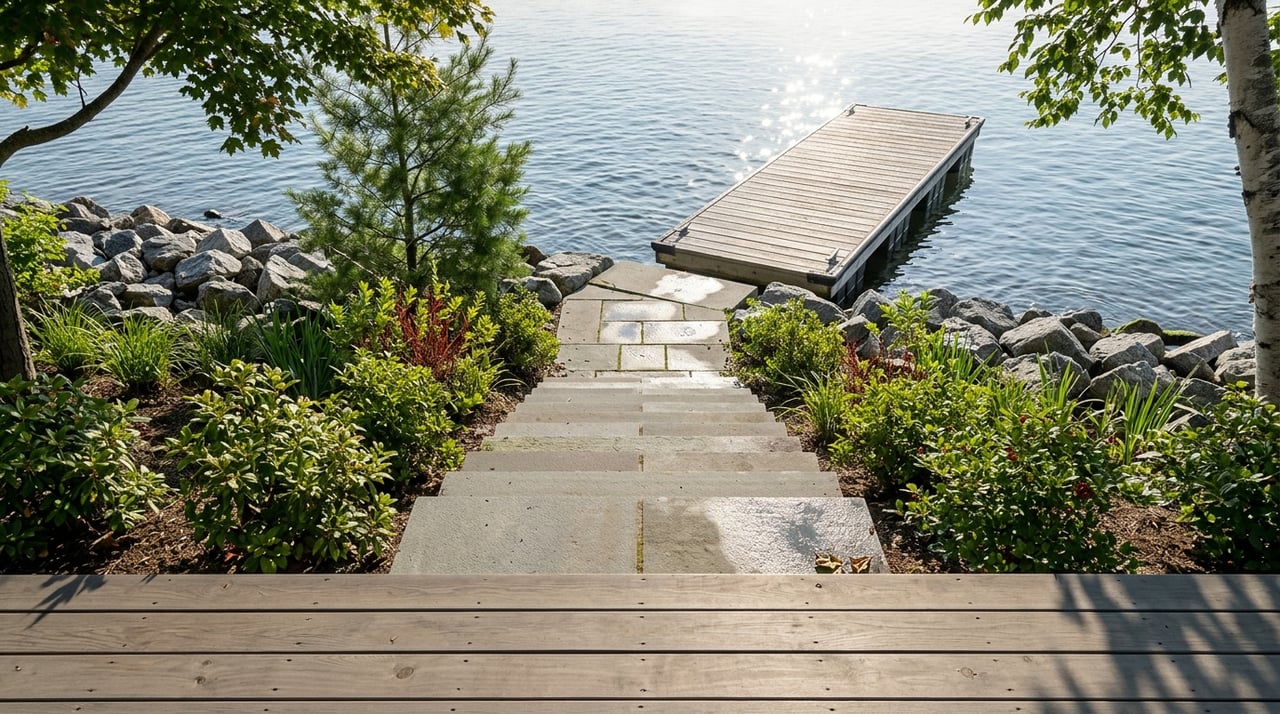
Thinking about selling your Lake George waterfront property? This is not the kind of home you list like any other. Buyers here are not only looking at bedrooms, square footage, or finishes. They are also weighing shoreline access, dock rights, wastewater records, and the larger experience of life on one of the most protected and closely managed lakes in New York. If you want a smoother sale and stronger buyer confidence, it helps to know what to prepare before your home reaches the market. Let’s dive in.
Selling Waterfront Means Selling More Than a House
On Lake George, buyers are often purchasing a lifestyle, a retreat, and a sense of continuity all at once. The lake is a four-season destination, with summer bringing the busiest boating and event season, fall offering a quieter scenic backdrop, and winter and spring creating a different kind of privacy and pace.
That seasonal rhythm shapes how buyers see your property. They are not just asking whether the home is attractive. They are also asking how the shoreline functions, how the water access is documented, and whether the property has been cared for with the lake’s long-term health in mind.
The setting matters here because Lake George is part of a specially protected 300-square-mile land-and-water park. The Lake George Park Commission also describes the lake as one of the cleanest and clearest in the country, which means buyers tend to pay close attention to the quality of the waterfront experience itself.
Expect More Buyer Questions Up Front
A Lake George waterfront sale usually involves more due diligence than an inland home. Buyers often want clear answers early, especially when the property includes a dock, boathouse, mooring, or shared access arrangement.
That is why your pre-listing preparation can make a real difference. A complete file helps reduce uncertainty, supports value, and gives buyers more confidence in what they are considering.
Gather Dock and Mooring Records
If your property includes shoreline structures or lake access features, expect buyers to ask for documentation. The Lake George Park Commission requires permits for new or modified docks, wharfs, and moorings, and it maintains a public database of authorized dock configurations by parcel.
The commission also applies a 20-foot setback from adjacent property lines extended into the lake. For sellers, that means buyers may look closely at whether the current configuration matches what has been authorized.
You should be ready to provide any available records related to:
- Dock permits
- Mooring approvals
- Boathouse documentation
- Surveys showing shoreline improvements
- Records of deeded access
- Records of contractual or association-based access rights
If your waterfront use is shared or tied to an association, that paperwork becomes especially important. Buyers want to understand exactly how access is legally established and what rights transfer with the property.
Collect Septic and Wastewater Documentation
Wastewater records are a major part of waterfront due diligence in the Lake George basin. Under Lake George Park Commission rules, all systems in the basin must be pumped out at least once every ten years.
Some properties are also subject to a wastewater inspection every five years unless exempt, including properties within 500 feet of the lake or within 100 feet of certain regulated streams. If your property falls within that inspection area, buyers may want to see not only the current system information but also whether inspections and maintenance have been kept up.
Before listing, it is wise to gather:
- Pump-out records
- Wastewater inspection reports
- Repair permits
- Replacement system records, if applicable
This paperwork helps show that the property has been responsibly maintained. In a market where stewardship matters, that can be just as important as cosmetic presentation.
Review Shoreline Approvals and Variances
Shoreline restrictions can affect what is permitted near the water, especially in the Town and Village of Lake George. The Adirondack Park Agency notes that structures over 100 square feet near the shoreline must generally meet setback rules unless they qualify as a dock or boathouse.
Variances may also be required for certain shoreline work, including some expansions, retaining walls, wastewater absorption fields near water, and vegetation removal beyond the allowed standard. As a seller, you should expect buyers to ask whether shoreline features are permitted, grandfathered, or approved through a variance or local review.
This is one reason a waterfront sale benefits from careful pre-listing review. When you can explain what exists and how it was approved, you reduce guesswork for everyone involved.
Prepare a Strong Pre-Listing File
For many Lake George sellers, the smartest first step is building a complete property file before marketing begins. This is not busywork. It is part of presenting the property with clarity and care.
A practical pre-listing file may include:
- Survey or site plan
- Dock, wharf, or mooring permits
- Septic pump-out and inspection records
- Wastewater repair or replacement permits
- Shoreline variance or approval records
- Shared access, deeded access, or association documents
The Lake George Park Commission public mapping tool can also help confirm parcel-level information such as authorized dock configuration and septic inspection year. Even when a buyer or attorney later verifies details independently, having your records assembled early can make the process feel more organized and credible.
Timing Affects How Your Property Is Experienced
When you list can shape what buyers notice most. On Lake George, each season tells a different story.
Summer is often the clearest time to show how a waterfront property lives day to day. Buyers can better imagine boating, swimming, dock use, and outdoor gatherings when the shoreline is fully active.
Fall can be equally compelling, especially if your property benefits from mountain views and foliage. The pace often feels calmer, and that quieter atmosphere may appeal to buyers who are focused on privacy, scenery, and retreat rather than peak-season energy.
Winter and spring may still be effective, but the presentation usually relies more on photography, video, and thoughtful written marketing. If the dock is not in use or the shoreline is less visually active, your materials have to work harder to tell the story.
Buyers Notice Shoreline Confidence
Waterfront presentation is different from standard home staging. Buyers want to see a home, of course, but they also want confidence in the shoreline itself.
That means the relationship between the house, the water, and the surrounding landscape should feel easy to understand. Clean sightlines, a well-presented path to the water, and a dock area that reads as functional and lawful all support that impression.
On Lake George, water quality is part of the emotional and practical appeal. The Lake George Park Commission describes the lake as oligotrophic, meaning low in nutrients and high in clarity. That makes visual presentation especially important, because buyers often react to both the beauty of the view and the condition of the water.
Showings Should Balance Access and Privacy
Lake George is a major destination, especially during the summer season. Even when a property feels private, the broader area can be active and highly visited.
That is why showing strategy matters. Sellers often benefit from thoughtful scheduling, controlled access, and a measured approach that protects the property while still allowing buyers to experience what makes it special.
Discreet showing windows can help preserve a sense of calm. For legacy properties and second homes in particular, the goal is not simply to generate traffic. It is to create the right conditions for qualified buyers to understand the property’s value.
Your Marketing Story Matters
The strongest Lake George waterfront marketing is rarely generic. Buyers here are often drawn to legacy, stewardship, and the way a property fits the shoreline and landscape.
That story may include mornings on the dock, mountain views across clear water, boating access, fishing, or long family gatherings outdoors. It should also include confidence-building facts, such as documented shoreline improvements, maintained wastewater systems, and clearly established access rights.
In other words, you are not only presenting features. You are presenting a property that has been cared for with respect for place.
Expect a More Detailed Selling Process
For sellers, one of the biggest differences with waterfront property is that preparation often carries more weight than speed. A buyer may fall in love with the view immediately, but confidence is built through documentation, lawful shoreline use, and a clear understanding of what transfers with the property.
That does not make the process harder. It simply makes it more exacting. When the file is organized, the presentation is intentional, and the property story is grounded in care and clarity, you are in a much stronger position.
Selling Lake George waterfront property is, in many ways, a transfer of place as much as a transfer of real estate. If you want guidance that respects both the practical details and the larger legacy of the property, Horse and Home Estates offers a concierge-level approach shaped by stewardship, presentation, and thoughtful market strategy.
FAQs
What documents should you gather before selling Lake George waterfront property?
- You should gather any survey, dock or mooring permits, septic pump-out and inspection records, wastewater repair permits, shoreline approvals, and any deeded, contractual, or association access documents tied to waterfront use.
What should buyers expect to review for a Lake George dock or mooring?
- Buyers often review permit history, survey information, and records showing that the dock, wharf, or mooring configuration is authorized and that access rights are legally established.
What wastewater records matter when selling waterfront property on Lake George?
- Pump-out records, inspection reports, and any repair or replacement permits matter because Lake George basin properties are subject to wastewater rules, including pump-out timing and, in some cases, recurring inspections.
What is the best season to list Lake George waterfront property?
- The best season depends on the story you want to tell, with summer often highlighting boating and dock use, fall emphasizing scenery and a quieter pace, and winter or spring relying more on strong visual marketing materials.
Why is selling Lake George waterfront different from selling an inland home?
- A waterfront sale usually involves more attention to shoreline use, access rights, dock documentation, wastewater compliance, and the overall stewardship of the property, not just the house itself.