If you are thinking about selling in Chevy Chase or Ashland Park, the details matter as much as the timing. These are not neighborhoods where a rushed update or a vague listing story does your home any favors. When you plan carefully, document thoroughly, and present the property as a well-kept part of Lexington’s historic fabric, you give buyers a clearer reason to trust what they see. Let’s dive in.
Why place matters here
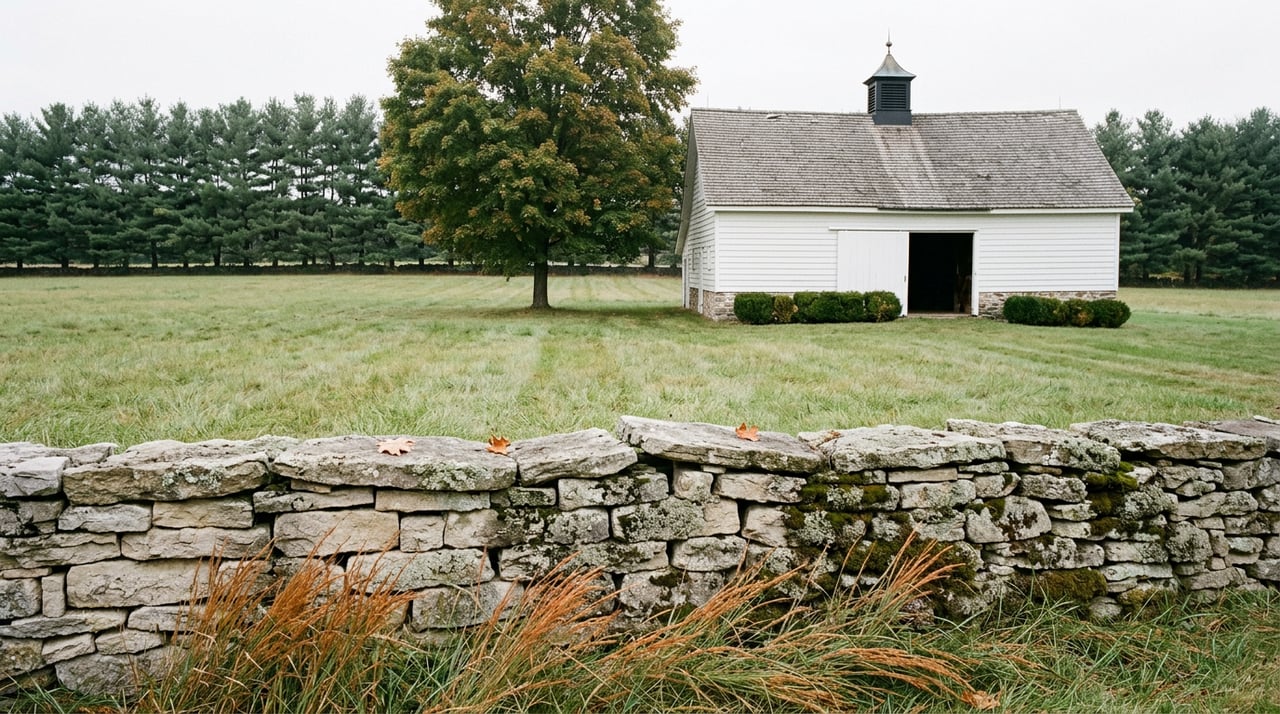
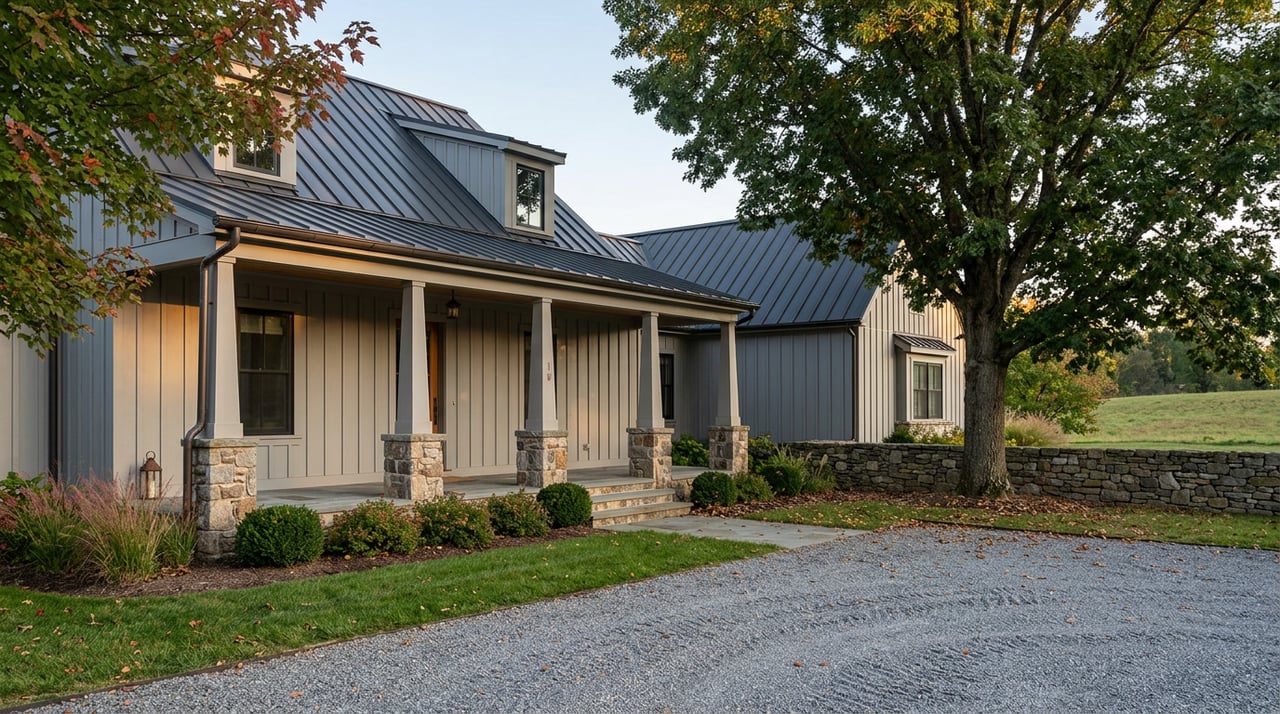
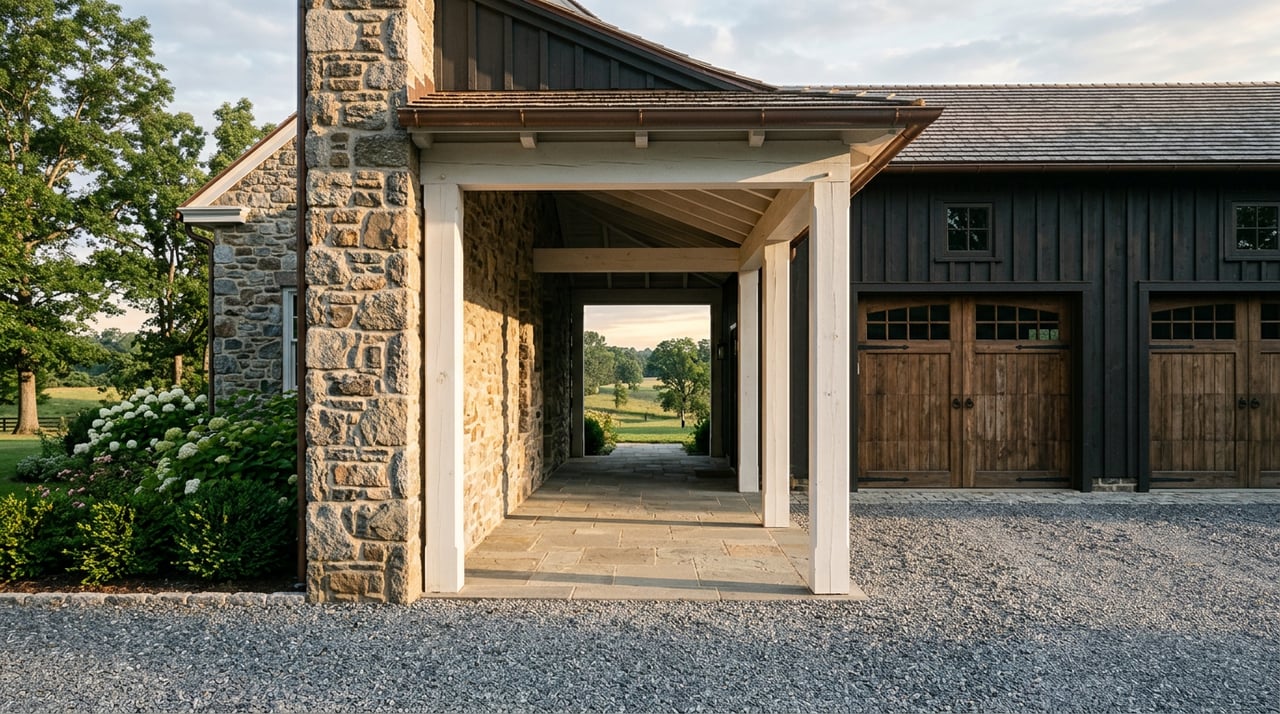
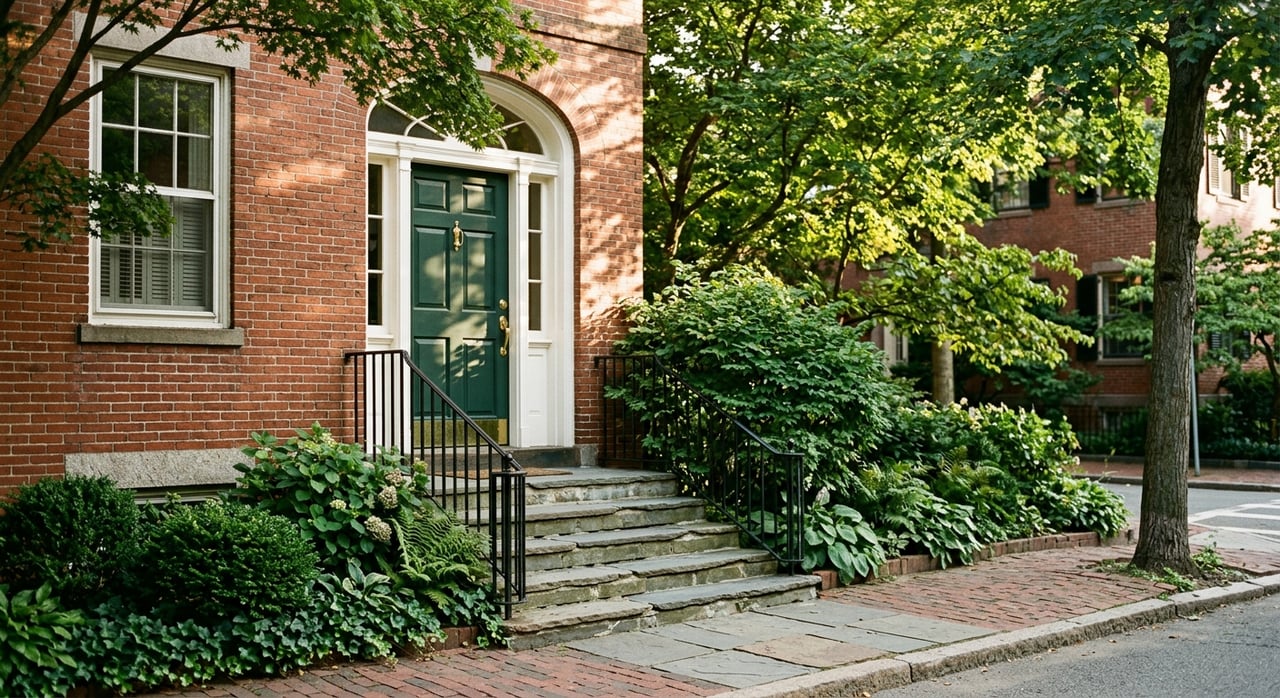
Chevy Chase and Ashland Park attract attention for more than location alone. Both areas are defined by character, visible care, and a strong sense of architectural continuity.
Ashland Park is listed by the City of Lexington as a local H-1 historic district, and it is also recognized as an Olmsted Brothers-designed picturesque suburb with curving streets and greens. Chevy Chase is identified by Lexington as an existing ND-1 overlay area, where design standards can shape how exterior features and visible site elements are handled.
For you as a seller, that means originality and stewardship are part of the value story. Buyers looking in these neighborhoods are often responding to scale, setting, and authenticity, not just square footage or a list of upgrades.
Start with a stewardship mindset
A graceful sale usually begins with one simple question: what should be repaired, preserved, or clarified before your home goes live? In Chevy Chase and Ashland Park, the answer is often more about restraint than reinvention.
The City of Lexington’s review guidance for historic properties favors repair with matching materials and configuration for many common elements. That includes windows, doors, roofs, porches, decks, architectural details, exterior materials, and tuckpointing.
In practical terms, that often means a careful repair can support your sale better than a fast replacement. If an older feature still contributes to the home’s character, preserving it may strengthen both presentation and buyer confidence.
Why repair often beats replacement
New openings, synthetic materials, major rehabilitation, and demolition are more likely to require formal approval. Those changes can add time, complexity, and uncertainty right when you want your listing calendar to feel controlled.
Repair-focused preparation is often the cleaner path. It helps your home look cared for while staying visually consistent with the neighborhood around it.
Exterior work may need review
If your home is in an H-1 district, exterior changes require a Certificate of Appropriateness. Lexington staff can approve some minor changes, while more substantial work goes before the Board of Architectural Review, which meets twice a month.
That timeline matters. If you are planning exterior work before listing, it is wise to build review time, contractor scheduling, and final completion into your launch calendar.
Landscape and site elements can matter too. Lexington’s review chart shows that tree removal, fences, gates, major paving, exterior lighting, utilities work, and landscape plans may also require review.
Know the Chevy Chase overlay rules
In Chevy Chase, design review is not limited to the basic footprint of the house. Lexington states that ND-1 standards can address building orientation, heights, setbacks, rear-yard setbacks, accessory structures, and parking design.
That means even thoughtful changes can affect how your property should be presented. Before you market an addition, a site improvement, or a new exterior feature as a selling point, it helps to confirm that the work aligns with the overlay standards.
This is one of the clearest reasons to plan early. You want the home to reach the market with a presentation that feels complete, credible, and easy for buyers to understand.
Build your timeline around readiness
Spring 2026 brought encouraging momentum to the regional market. Bluegrass REALTORS reported that March sales were up 1.5% year over year, pending sales were up 14%, inventory was up 6%, and months of inventory fell to 3.7. Homes averaged 62 days on market across the region.
At the Lexington city level, Redfin reported a March 2026 median sale price of $348,000, up 7.1% year over year, with homes selling in an average of 48 days. The market was described as somewhat competitive.
Those numbers point to an active market, but not one that rewards carelessness. In neighborhoods like Chevy Chase and Ashland Park, thoughtful preparation can matter more than trying to list a week earlier with unfinished work or unresolved approvals.
A polished launch beats a rushed one
National research pointed to mid-April as a strong listing window in 2026. Even so, for homes affected by H-1 review or ND-1 design standards, your real launch date should follow local readiness.
If repairs are incomplete, approvals are still pending, or visible work feels half-finished, buyers may focus on uncertainty instead of value. A slightly later launch with completed work, strong photography, and clean documentation is often the more graceful choice.
Prepare your disclosure packet early
Disclosure is not a final step. In Kentucky, it starts at listing.
Under KRS 324.360, a disclosure form is required for covered single-family residential sales involving a licensed person, and the seller must complete and sign the form at the time of the listing agreement. The Kentucky form makes clear that the disclosure is based on your best knowledge, is not a warranty, and does not replace an inspection.
The form asks about many issues buyers care about, including:
- basement leaks
- roof leaks
- water supply
- sewage
- plumbing
- electrical systems
- foundation and structure
- windows and doors
- code violations
- transferable warranties
- fire or disaster damage
- mold
- pets
- whether the home is in a historic district or listed on a historic registry
It also states that if you learn a new fact before closing, you should disclose it in writing. That makes early preparation especially important.
What to gather before listing
For a home in Chevy Chase or Ashland Park, a strong pre-listing packet can support both compliance and buyer trust. If you have them, gather:
- repair invoices
- permit records
- warranty paperwork
- historic-district approvals
- notes on prior roof, water, structural, plumbing, or mechanical issues
This kind of documentation helps your home read as honestly represented and carefully maintained. In a character-driven neighborhood, that can shape how buyers interpret everything else they see.
Understand what buyers may value most
The likely buyer pool for these neighborhoods is not always looking for a dramatic before-and-after story. Based on the preservation framework and current market conditions, the strongest audience is often more quality-sensitive and stewardship-minded.
That may include downsizers, long-time Lexington owners seeking a more manageable in-town home, and out-of-market buyers looking for an established property with authentic character. What tends to resonate is not overstatement, but evidence of care.
Position the home with credibility
The most effective presentation is often a stewardship story. Your home should look well maintained, appropriately updated, and visually at ease in its setting.
That means your marketing should highlight what buyers can trust:
- preserved architectural details
- completed repairs
- consistent exterior presentation
- clear documentation
- thoughtful timing
In Chevy Chase and Ashland Park, credibility can be a competitive advantage. Buyers are often responding to the feeling that a home has been respected, not just prepared for sale.
A graceful sale checklist
If you want a cleaner and more confident launch, focus on these steps first:
- Identify whether your home falls under H-1 historic review or Chevy Chase ND-1 standards.
- Review any planned exterior or site work before scheduling photography or marketing.
- Prioritize repair with matching materials where possible.
- Build extra time into your calendar for approvals and contractor lead times.
- Complete your disclosure carefully and early.
- Gather invoices, permits, warranties, and approval records.
- Launch only when the home feels finished, documented, and visually coherent.
A measured approach can protect both your timeline and your presentation. It also helps buyers understand the value of what you are offering.
Selling a legacy property is rarely about speed alone. In neighborhoods like Chevy Chase and Ashland Park, the best results often come from honoring the home’s character, respecting the local rules, and presenting the property with calm, well-supported confidence. If you are preparing for a sale and want a more tailored strategy, Horse and Home Estates can help you think through the details with a stewardship-first approach.
FAQs
What should sellers in Chevy Chase know before making exterior updates?
- Chevy Chase is within a Lexington ND-1 overlay area, and design standards can affect items like building orientation, setbacks, accessory structures, and parking design, so exterior and visible site changes should be checked before listing.
What should sellers in Ashland Park know about historic review?
- Ashland Park is a local H-1 historic district in Lexington, and exterior changes require a Certificate of Appropriateness, with some work handled by staff and more substantial work reviewed by the Board of Architectural Review.
Why is repair often better than replacement before listing a historic home?
- Lexington’s review guidance favors repair with matching materials and configuration for many historic features, including windows, doors, roofs, porches, exterior materials, and architectural details.
When should Lexington sellers complete the Kentucky disclosure form?
- For covered single-family residential sales involving a licensed person, Kentucky law requires the seller to complete and sign the disclosure form at the time of the listing agreement.
What documents should Chevy Chase and Ashland Park sellers gather before listing?
- Helpful pre-listing records can include repair invoices, permit paperwork, warranty information, historic-district approvals, and written notes about past roof, water, structural, or mechanical issues.
Is spring still a good time to list a home in Lexington?
- Recent market data showed spring 2026 activity in the Lexington area was strong, but in character-sensitive neighborhoods, a polished launch with completed work and clear documentation may matter more than listing as early as possible.