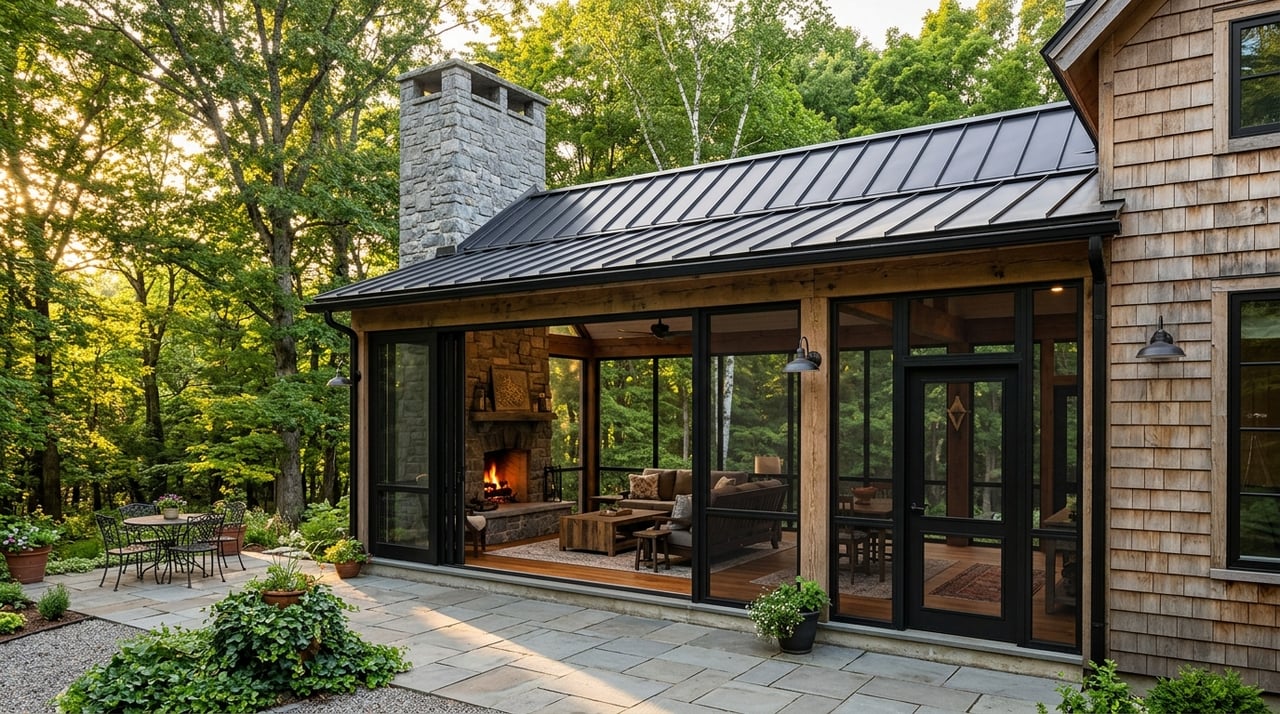
Choosing a Lake George retreat sounds simple until you realize you are not just choosing a home. You are choosing a pace, a pattern of use, and a level of stewardship that will shape every weekend and summer ahead. If you want a property that truly fits the way you live, it helps to look past curb appeal and focus on how Lake George ownership actually works. Let’s dive in.
Start With Lifestyle First
Lake George is not one uniform market. It is a 32-mile Adirondack lake with more than 170 islands, a protected watershed, and a mix of settings that feel very different from one another. According to the Lake George Association, the lake is also a drinking-water source, with more than 90% of the watershed still natural forestland.
That matters because your ideal retreat may not be the same as someone else’s ideal retreat. A walkable summer base near restaurants and public waterfront access is a very different experience from a quiet north basin property or a wooded upland estate. When you begin your search with lifestyle rather than finishes, your options become much clearer.
Match the Area to Your Routine
Lake George Village for Energy
If you picture a lively summer rhythm, Lake George Village often becomes the natural starting point. The official area guide describes the Village as the commercial hub at the south end of the lake, with shops, restaurants, attractions, and the main public beach at Million Dollar Beach.
This setting may fit you well if you want easy access to activity and amenities without planning every outing around a drive. Million Dollar Beach also includes the main boat launch, an inspection station, and a free boat-wash station, which can make waterfront recreation more convenient for some owners.
Bolton Landing for Balance
If you want a retreat that still feels active but less busy, Bolton Landing often strikes the middle ground. The local tourism office describes it as quiet yet modern, with two public beaches, docks, family amenities, and multiple marinas and boat rental options in the area in its guide to Bolton Landing.
For many second-home buyers, that balance is appealing. You can stay close to boating and lake access while enjoying a softer pace than the Village.
Hague for Quiet
If your ideal retreat centers on calm mornings and a more private feel, Hague and the north basin deserve a close look. The official tourism site describes Hague as a quiet, picturesque town and notes that Hague Town Beach Park includes public docks and a boat launch.
This part of the lake often appeals to buyers who want the retreat feeling to begin the moment they arrive. It is a different rhythm, and for the right buyer, that difference is the point.
Inland Properties for Privacy
Not every Lake George retreat needs to sit directly on the shoreline. The Lake George Association’s landscape framework outlines several property contexts, including developed hamlet, upland development, shoreline development, rural residential development, and natural forest.
In practical terms, inland and upland homes often offer more tree cover, longer approaches, and greater privacy. If you care more about seclusion, acreage, and a quieter setting than direct water frontage, these properties can be a strong match.
Look Beyond the View
A beautiful lake view can draw you in, but long-term satisfaction usually depends on the details behind the setting. On Lake George, those details often involve boating access, shoreline use, property systems, and seasonal planning.
The lake is protected by rules that affect how property can be used and improved. The Adirondack Park Agency and the Lake George Park Commission both play a role in shoreline, dock, boating, and land-use regulation, so understanding the practical side of ownership is essential.
Understand Boating Access
A Dock Is Not the Whole Story
If boating is central to your lifestyle, do not assume access begins and ends with having a dock. The Lake George Park Commission requires all trailered boats launching into the lake to be inspected for invasive species at a regional inspection station from May 1 through October 31, and inspection and any needed decontamination are free.
The Commission also identifies official launch sites at Million Dollar Beach, Northwest Bay/Clay Meadow, Hague Town Beach, Rogers Rock Campsites, and Mossy Point, along with numerous marinas. That means your boating routine may depend as much on launch logistics and location as on the home itself.
Docks and Moorings Are Regulated
Private dock access can be a major asset, but it is also regulated. The Lake George Park Commission’s dock and mooring rules require permits for new or modified docks and moorings, and those facilities must be registered annually.
The standards also address placement, size, congestion, navigation, aesthetics, and neighborhood character. In other words, a dock is not just a visual bonus. It is an important part of the ownership picture, and it should be evaluated carefully during your search.
Plan for Stewardship
Owning near the water on Lake George comes with responsibilities that go well beyond mowing and opening the house for summer. Stewardship is part of the ownership experience, especially on properties with shoreline, slope, septic systems, or substantial outdoor improvements.
Septic and Runoff Matter
The Lake George Park Commission’s septic program is designed to reduce nutrient input from wastewater systems, and the Commission notes that a septic review effort followed the lake’s first harmful algal bloom in 2020. The Lake George Association also identifies stormwater runoff as the biggest threat to water quality.
For you as a buyer, that means maintenance should be part of the decision from day one. Septic care, runoff control, and preserving shoreline buffers are not side issues. They are central to responsible ownership.
Natural Buffers Add Value
Wooded land, shoreline vegetation, and thoughtful siting are not just aesthetic benefits. They also support drainage, reduce runoff impact, and help preserve the landscape character that makes the lake special.
If you are considering acreage or a more secluded site, this can be a meaningful advantage. It also means improvements and long-term plans should align with the land rather than work against it.
Think Through Seasonal Use
A second home on Lake George can be rewarding in every season, but only if the property matches how often and when you plan to use it. Warren County Tourism describes the region as a four-season destination, while the Lake George Marine Patrol operates seasonally from mid-May to Columbus Day.
If you expect to use the home beyond peak summer, think through the practical side early. Winterization, snow and driveway management, storage, and off-season checkups can all affect which type of property feels effortless and which one feels demanding.
Choose the Retreat Style That Fits
Legacy Camp for Gathering
A legacy camp often suits buyers who want a true family retreat with repeated multi-generational use. These properties can offer the gathering space, waterfront focus, and sense of tradition many buyers imagine when they think about Lake George.
The tradeoff is that they often require more hands-on oversight. Dock considerations, shoreline decisions, septic maintenance, and stormwater planning matter even more when a property is used heavily over time.
Condo or Association Property for Simplicity
If your goal is to spend more time enjoying the lake and less time managing exterior upkeep, a condo or association property may be worth exploring. This style can offer a more streamlined ownership experience.
Still, simplicity does not replace due diligence. You will want to confirm details like shared dock rights, storage, parking, and association rules, especially because waterfront use on Lake George remains regulated even in shared settings.
Wooded Estate for Privacy
A wooded estate or acreage property often fits buyers who want landscape, seclusion, and a quieter retreat atmosphere. These homes can offer a powerful sense of place, especially when privacy matters as much as proximity to the water.
They also call for a stewardship mindset. Natural buffers, slope, drainage, driveway access, and site planning all play a role in how well the property functions season after season.
Ask These Questions Early
Before you narrow your search, take time to define what the retreat should actually do for you. A few clear answers can save you from touring properties that look appealing but do not support the lifestyle you want.
Ask yourself:
- Do you want a true family retreat, a mostly turnkey escape, or a home centered on boating and entertaining?
- Is private dock access essential, or would shared access work?
- How much septic, shoreline, and stormwater maintenance are you comfortable taking on?
- Will you use the property only in summer, or also in fall and winter?
- Will boating involve trailering, renting, a marina slip, or public launch access?
These are practical questions, but they also help clarify the emotional fit. The right Lake George retreat should support your habits, your priorities, and the way you want to spend time there.
A thoughtful search is about more than finding a beautiful home. It is about matching place, use, and stewardship in a way that feels natural from the start. If you are considering a Lake George second home and want a more tailored approach to the process, Horse and Home Estates offers concierge-level guidance shaped by lifestyle, legacy, and the practical realities of ownership.
FAQs
What area of Lake George is best for a second-home lifestyle?
- The best area depends on how you want to spend your time: Lake George Village offers activity and walkability, Bolton Landing offers a balanced pace with boating amenities, and Hague tends to suit buyers looking for a quieter retreat setting.
What should Lake George buyers know about docks and moorings?
- On Lake George, docks and moorings are regulated by the Lake George Park Commission, and new or modified structures require permits while registered facilities must be renewed annually.
What should Lake George buyers know about boating access?
- Boating access on Lake George may involve dock rights, marina options, or public launches, and trailered boats launching into the lake must be inspected for invasive species from May 1 through October 31.
What maintenance matters most for a Lake George retreat?
- For many Lake George properties, key maintenance concerns include septic care, stormwater runoff control, shoreline buffer preservation, and seasonal property preparation.
Is an inland Lake George property a good alternative to lakefront?
- Yes, an inland or upland Lake George property can be a strong fit if you value privacy, wooded surroundings, and a quieter ownership experience more than direct shoreline access.
What type of Lake George retreat is easiest to own?
- A condo or association property may offer the lowest-maintenance ownership style, but you should still review shared access rights, parking, storage, and community rules before buying.