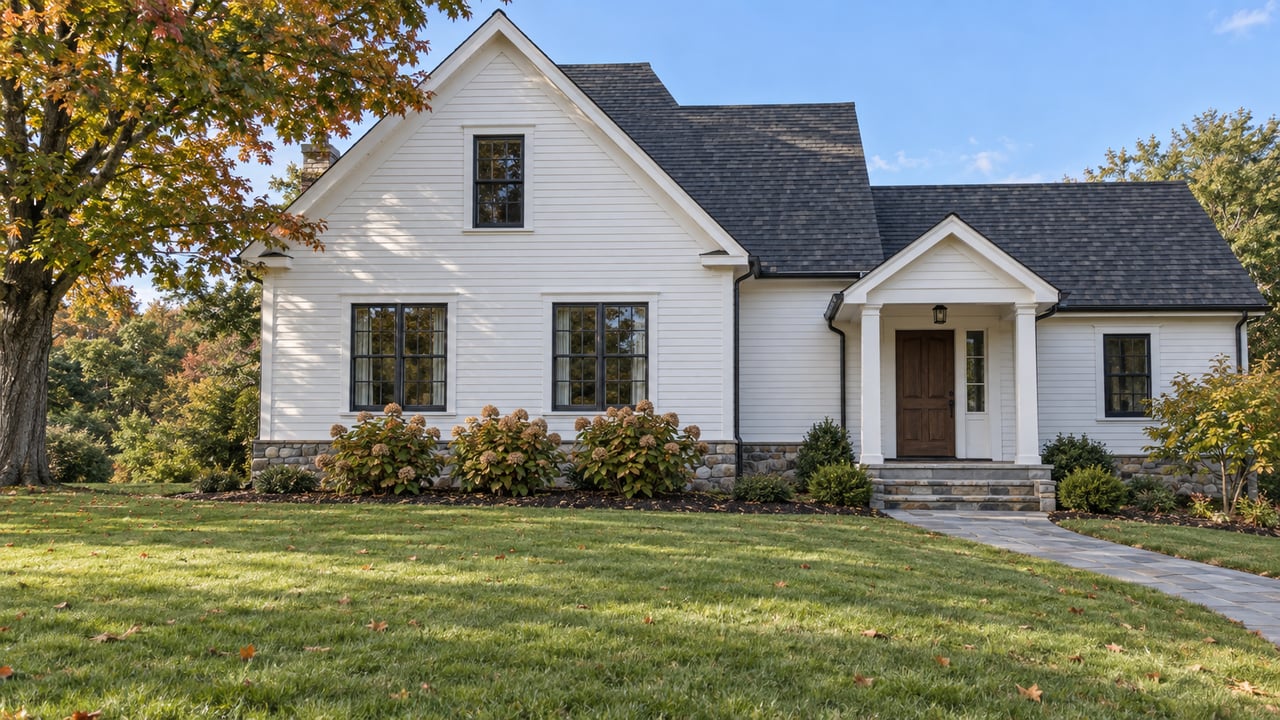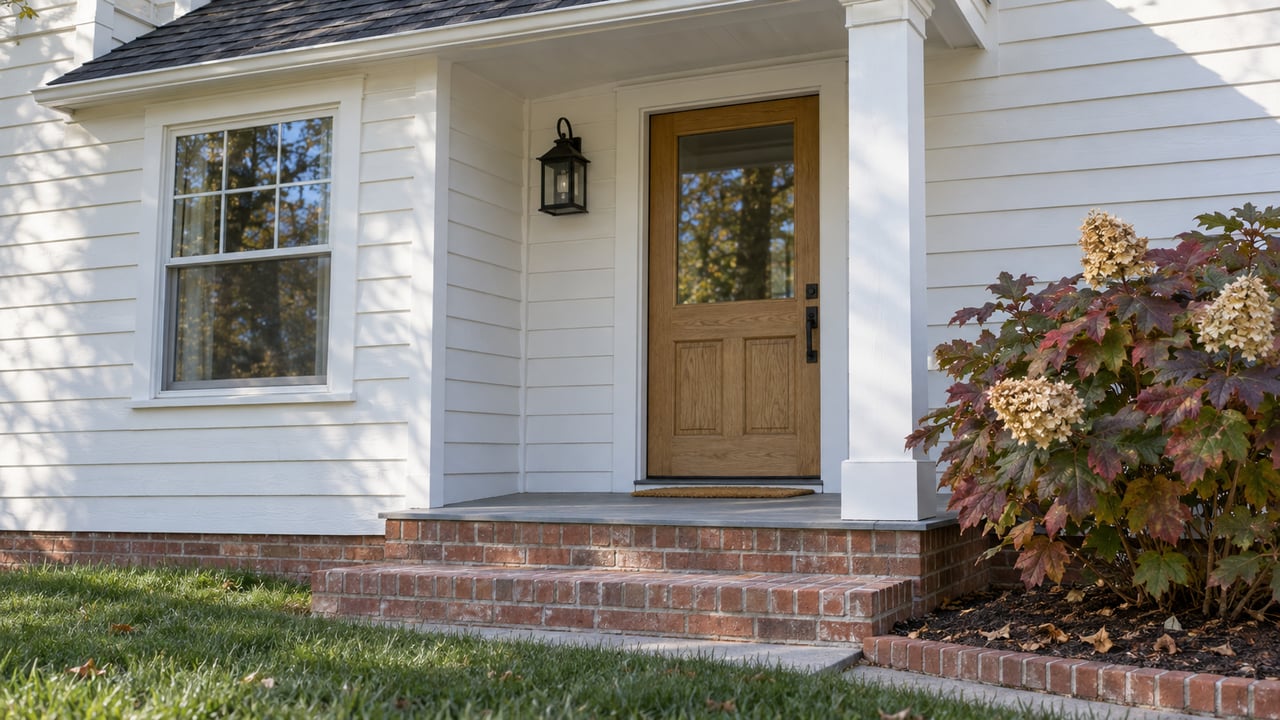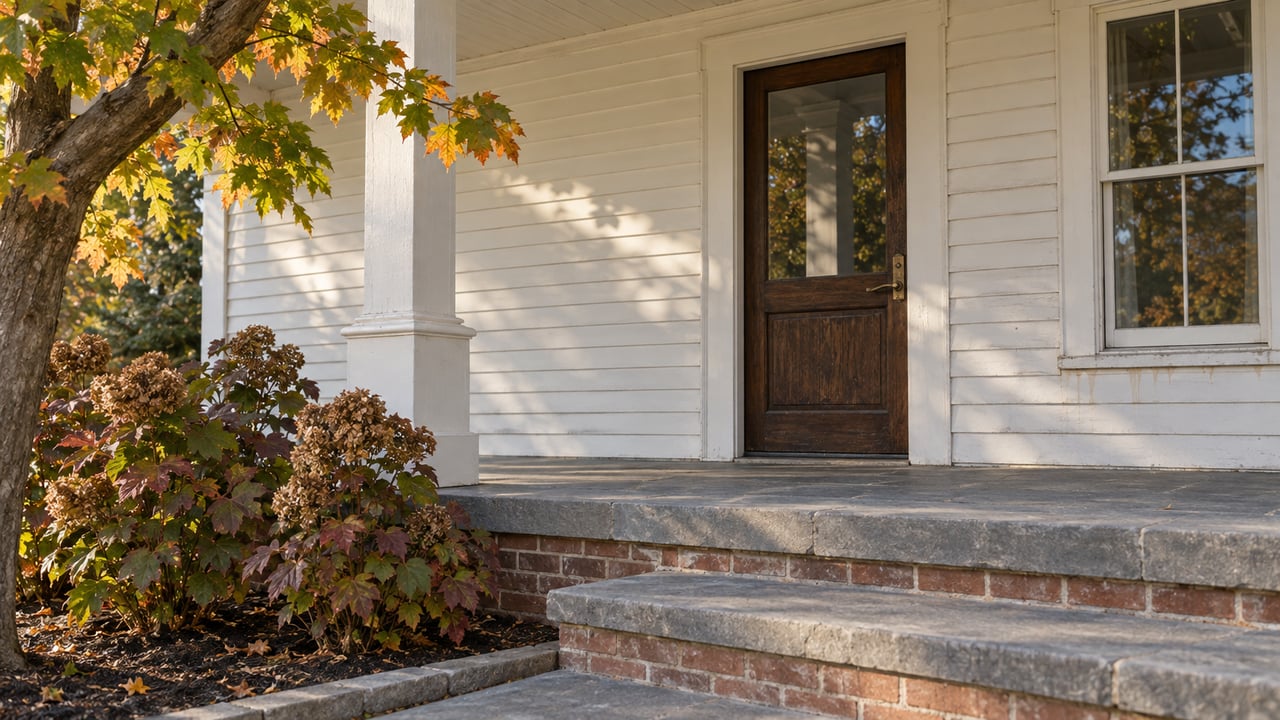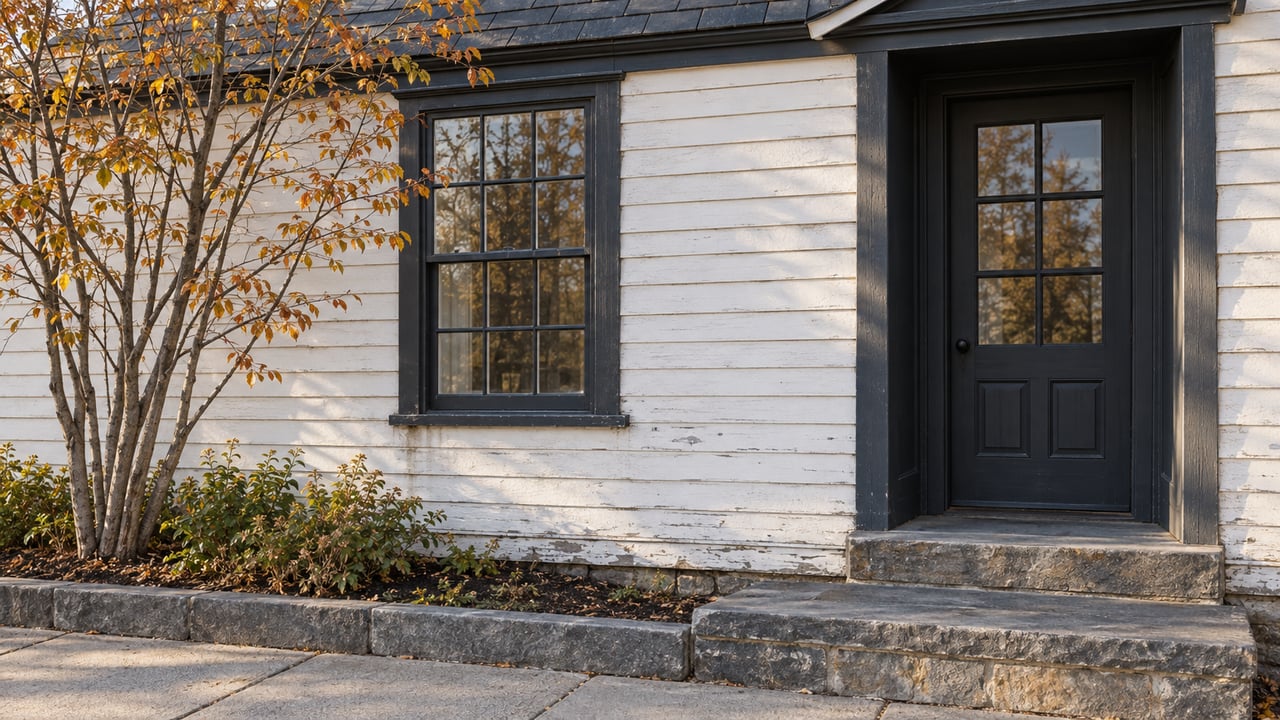
If you own a historic home in Saratoga Springs, getting it ready for market is not the same as preparing a newer property. Buyers notice craftsmanship, original details, and the story of the house, but they also want clarity about condition, approvals, and what comes next. With the right pre-listing plan, you can present your home in a way that respects its history, reduces buyer uncertainty, and supports a smoother sale. Let’s dive in.
Know Your Historic Review Status
Before you schedule repairs or call contractors, confirm whether your property is in one of Saratoga Springs’ historic districts, an architectural review area, or is a designated city landmark. The city identifies district areas including Union Avenue, Eastside, Congress Park, Hillside, Broadway, North Broadway, and Franklin Square, and it also applies architectural review along key entry corridors such as Route 50, South Broadway, Church Street, Washington Avenue, Lake Avenue, Union Avenue, and Ballston Avenue.
This matters because exterior changes may require approval before a building permit is issued. In Saratoga Springs, the Design Review Commission must approve exterior changes, signs, new construction, or demolition for properties in historic districts, architectural districts, or city landmarks. The city also notes that interior changes and ordinary maintenance are outside the DRC’s jurisdiction.
If your property has deeded covenants, you may need Saratoga Springs Preservation Foundation approval before DRC review. Starting work without the required approval can lead to substantial fines, so it is worth verifying the process early rather than trying to fix an issue during escrow.
Focus on Repair First
Historic sellers often feel pressure to replace older features before listing. In Saratoga Springs, the city’s guidance points in a different direction: repair is preferred over replacement. If a historic feature is deteriorated, the goal is to repair it whenever possible and replace it only when it is beyond reasonable repair.
When replacement is unavoidable, the city says the new work should match the old in design, color, texture, and, where possible, materials. That approach helps preserve the home’s architectural character, which is often one of the main reasons a buyer is drawn to the property in the first place.
In some cases, in-kind repairs that do not change existing materials or design do not require DRC approval. That can make thoughtful maintenance work one of the most effective pre-listing investments you can make.
Protect the Details Buyers Value Most
In historic Saratoga Springs homes, certain features carry outsized importance. Buyers tend to notice them immediately, and the city’s review process gives them close attention as well. Your pre-listing strategy should keep these elements visible, functional, and historically compatible.
Preserve Original Windows and Doors
Windows and doors are among the most significant character-defining features of a historic building. Saratoga Springs recommends preserving original trim and maintaining the original size, shape, and proportion of openings.
The city discourages vinyl or metal windows, picture windows, sliders, and snap-in muntin bars on historic and contributing properties. If you are considering replacement before a sale, it should only be because the existing units are beyond reasonable repair. For many sellers, careful repair and painting can do more for market presentation than a replacement choice that weakens historic character.
Keep Rooflines and Roof Details Intact
Roof shape, pitch, materials, and visible details all contribute to how a historic home reads from the street. Saratoga Springs says these original elements should be maintained whenever possible.
The city also advises avoiding visible street-facing skylights and vents and preserving or repairing chimneys and gutters with historically appropriate materials. If your roof needs attention before listing, a compatible repair strategy usually supports both curb appeal and buyer confidence.
Treat Cladding and Masonry Carefully
Exterior cladding can quickly change how authentic a historic home feels. Saratoga Springs favors preserving original wood shingles and siding, masonry, stone, and brick, and it strongly discourages replacing historic materials with vinyl or metal or covering them with vinyl or metal siding.
The guidelines also discourage painting previously unpainted masonry. If your exterior needs cosmetic work, choose improvements that protect original materials rather than conceal them.
Preserve Porch Character
Porches are a defining part of many Saratoga Springs historic homes. The city’s guidance calls for preserving the original size, design, and materials and avoiding demolition where possible.
If porch elements are severely deteriorated, the preferred path is to duplicate those pieces in kind when feasible. Since porches are such a visible part of first impressions, even modest repairs here can help your home feel both cared for and architecturally coherent.
Build a Strong Provenance Packet
A historic home sells best when its story is documented, not just told. Provenance can support restoration choices, answer buyer questions, and make your property feel more legible to someone who may be comparing it with newer homes that seem simpler on paper.
Saratoga Springs encourages owners to identify architectural style and construction date and to reference historic images when planning work. If a missing feature is being recreated, the city says that decision should be backed by documentary, physical, or pictorial evidence.
A practical pre-listing packet can include:
- Title or deed history
- Prior permits
- Surveys
- Renovation invoices
- Maintenance records
- Archival photographs
These records help show what has been done, what is original, and whether earlier work was handled thoughtfully. For preservation-minded buyers, that level of organization can add real value.
Use Local Research Sources
If you are missing details about your home’s history, Saratoga Springs offers several useful starting points. The city points owners to the Saratoga Springs Preservation Foundation property files, the Saratoga Springs History Museum and George S. Bolster Photograph Collection, and the Saratoga Springs Public Library Saratoga Room.
These sources can help you verify dates, identify lost architectural features, or find historical images that support restoration decisions. Even a small amount of documented history can enrich your marketing and strengthen buyer trust.
Plan Pre-Listing Work Around Approval Rules
When the city reviews an application, it considers size and scale, existing architectural features, window and door size and style, and construction materials. That means pre-listing work should be planned with compatibility in mind, not just convenience or cost.
A rushed exterior update can create delays if approvals were needed but not obtained. It can also raise questions from buyers about whether changes were handled appropriately. If you are unsure whether a project needs review, clarifying that before work begins is often one of the smartest ways to protect your listing timeline.
Handle Pre-1978 Repairs Carefully
Many historic homes in Saratoga Springs were built before 1978, which means lead-safe practices may come into play if painted surfaces will be disturbed. For paid repair, renovation, or painting work that disturbs painted surfaces in pre-1978 homes, EPA rules generally require certified firms and trained workers to use lead-safe practices.
EPA also recommends that homeowners hire lead-safe certified contractors for these projects. Even when a repair seems minor, careful planning matters, especially if you are preparing the home for showings and want clean documentation for buyers.
Prepare for Lead Disclosure
If your home is pre-1978, lead disclosure is a key part of preparing for market. For most pre-1978 housing, federal law requires sellers, landlords, real estate agents, and property managers to provide the EPA pamphlet on lead hazards, disclose known lead-based paint information and records, include a lead warning statement, and allow buyers a 10-day inspection period unless the parties agree otherwise in writing.
Gathering any lead-related records before listing can save time later. It also helps you answer buyer questions promptly and present the home with transparency.
Highlight Character in Staging
Historic staging works best when it reveals, rather than hides, the home’s defining features. A practical takeaway from Saratoga Springs’ guidelines is to keep original windows, doors, trim, porches, rooflines, masonry, and cladding visible whenever possible.
That does not mean the house should feel museum-like. It means your presentation should help buyers see what makes the property special, from original proportions and craftsmanship to the texture of old materials and the rhythm of the facade.
Simple staging choices can help support that goal:
- Avoid blocking original windows or trim with oversized furniture
- Keep porches and entry sequences clean and visually open
- Let original doors, hardware, and millwork remain easy to see
- Minimize decor that competes with architectural detail
- Use archival photos or house history materials during showings when appropriate
Be Ready for Common Buyer Questions
Historic-home buyers are often deeply interested, but they are also careful. The more clearly you can answer their questions, the easier it is for them to move from admiration to confidence.
Expect questions such as:
- Was exterior work reviewed and approved where required?
- Which features are original?
- Is there evidence supporting restorations or recreated details?
- Are maintenance records available?
- Are lead-related documents available?
- Could the property qualify for preservation-related tax incentives?
In New York, preservation-related tax incentives may matter for certain buyers or owners making improvements. The state homeowner program offers a 20% credit on qualified rehabilitation expenses for eligible owner-occupied historic residences, subject to listing and census-tract requirements and a minimum exterior-work threshold. For income-producing historic properties, the federal credit is 20%, and New York may add an additional 20% to 30%, with SHPO and NPS coordinating the application process.
Because eligibility depends on program rules and property specifics, buyers should confirm details with the appropriate program and consult a tax or finance professional. Still, having a basic understanding of these incentives can help you speak to the property’s long-term preservation potential.
Why Preparation Matters in Saratoga Springs
In Saratoga Springs, a historic home is rarely just a structure. It is part of a streetscape, a legacy, and often a larger story about place. Preparing it well for market means balancing presentation, compliance, and stewardship so buyers can appreciate both the beauty they see and the care behind it.
When your pre-listing work is thoughtful, documented, and aligned with local guidance, your home stands out for the right reasons. It tells buyers that this property has been respected, and that its next chapter can begin on strong footing.
If you are preparing a historic Saratoga Springs home for sale and want a tailored, preservation-minded strategy, Horse and Home Estates offers concierge guidance designed to honor the history, character, and market position of exceptional properties.
FAQs
What exterior changes need approval for a historic Saratoga Springs home?
- In Saratoga Springs, properties in historic districts, architectural districts, or city landmarks generally need Design Review Commission approval before a building permit is issued for exterior changes, signs, new construction, or demolition.
Can I replace old windows before listing a historic home in Saratoga Springs?
- Saratoga Springs recommends repairing original windows when possible and considering replacement only when the units are beyond reasonable repair. Replacement windows should remain visually compatible with the home’s historic character.
What documents should I gather before listing a historic Saratoga Springs property?
- A strong pre-listing file can include deed or title history, prior permits, surveys, renovation invoices, maintenance records, and archival photographs that help document the home’s history and past work.
Does ordinary maintenance require Design Review Commission approval in Saratoga Springs?
- The city says the DRC does not have jurisdiction over interior changes or ordinary maintenance, and it notes that in-kind repairs that do not change existing materials or design do not require DRC approval.
What should I disclose when selling a pre-1978 historic home in New York?
- For most pre-1978 housing, sellers must provide the EPA lead hazard pamphlet, disclose known lead-based paint information and records, include a lead warning statement, and allow a 10-day inspection period unless the parties agree otherwise in writing.
Are there historic tax credits for Saratoga Springs homeowners?
- New York’s homeowner program offers a 20% credit on qualified rehabilitation expenses for eligible owner-occupied historic residences, subject to program requirements such as listing status, census-tract rules, and a minimum exterior-work threshold.