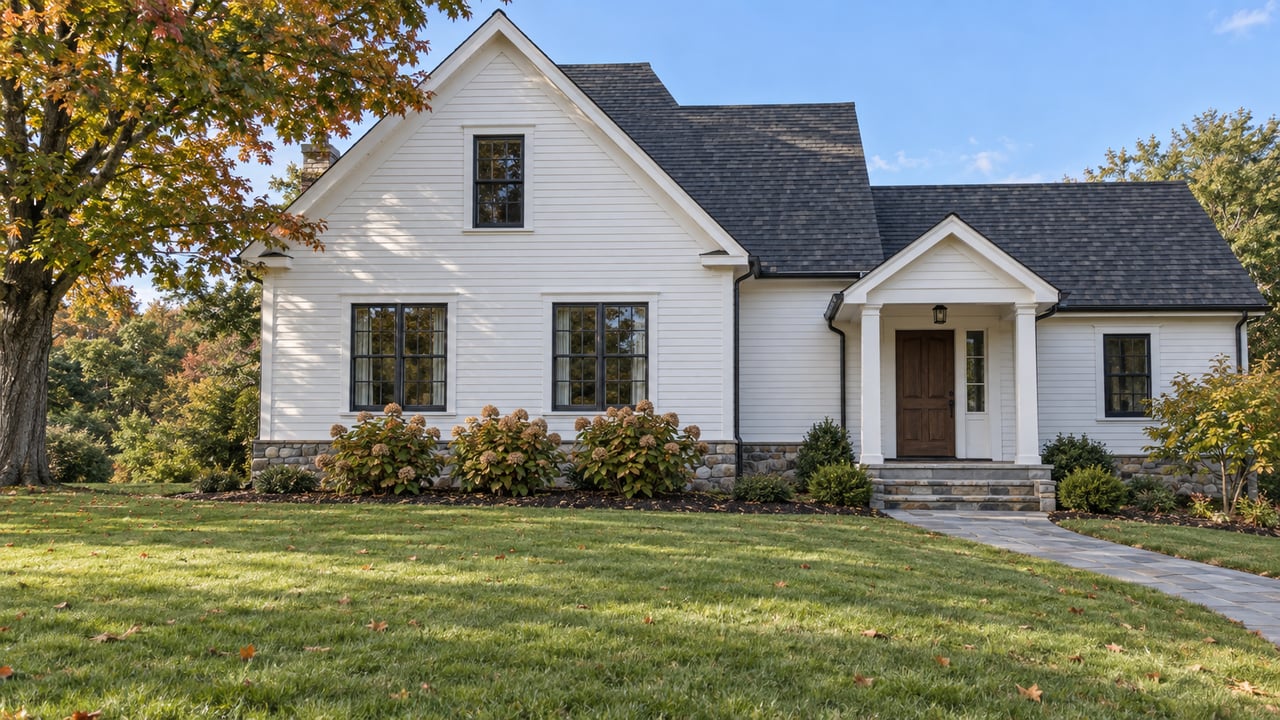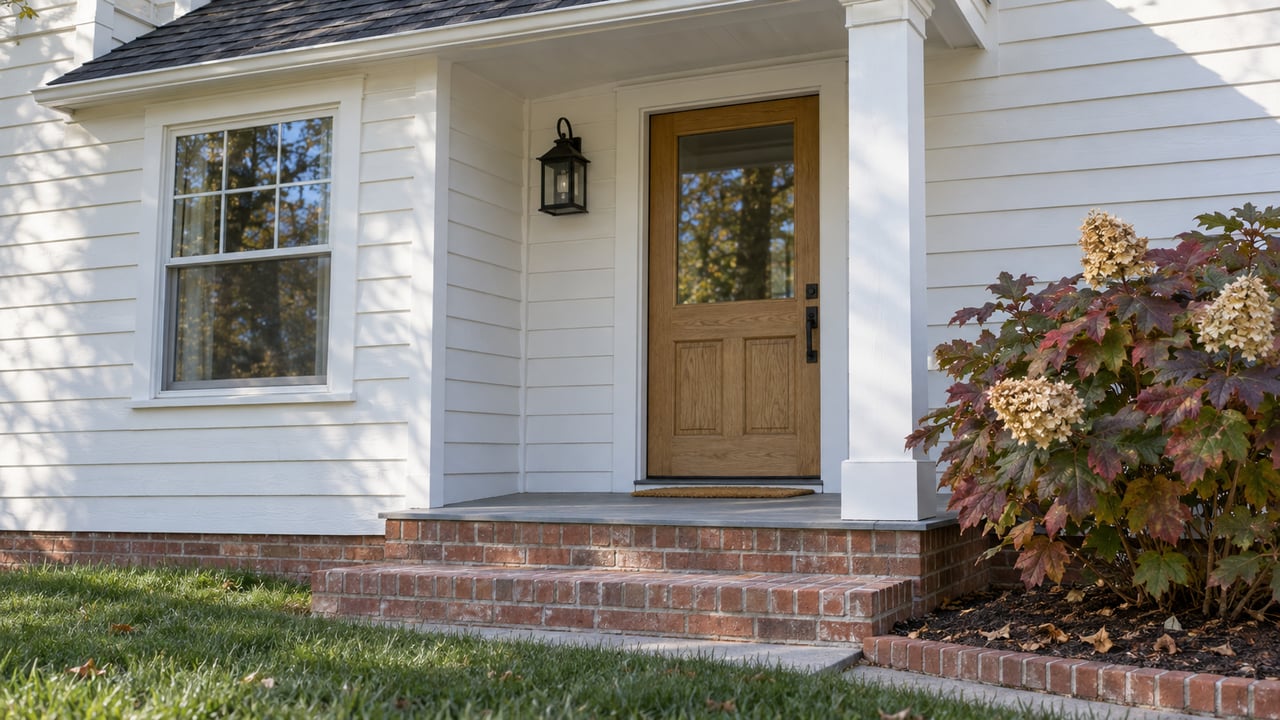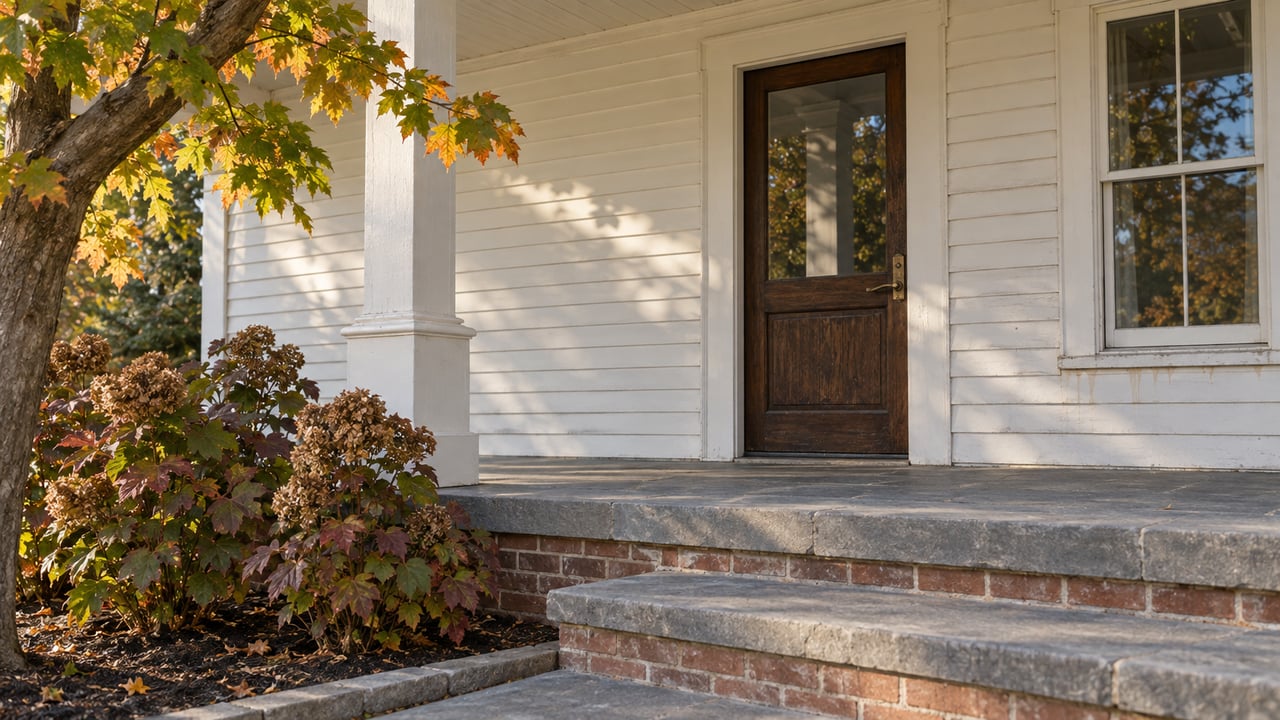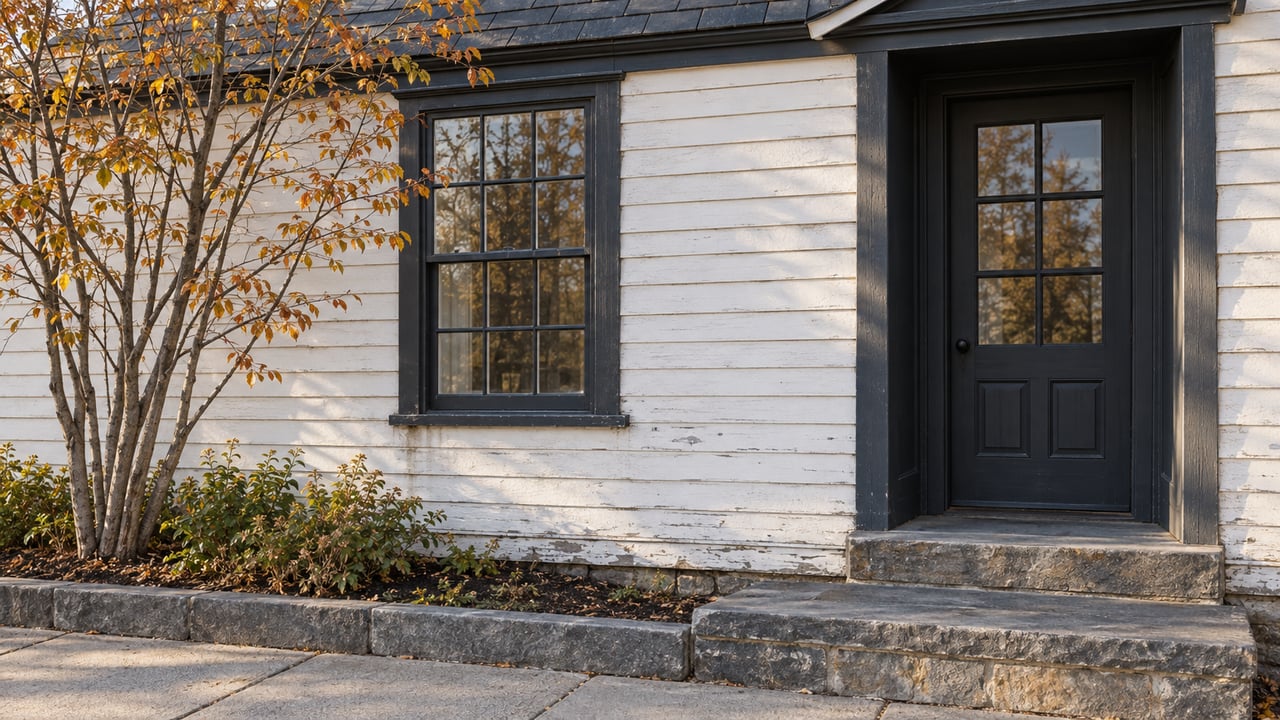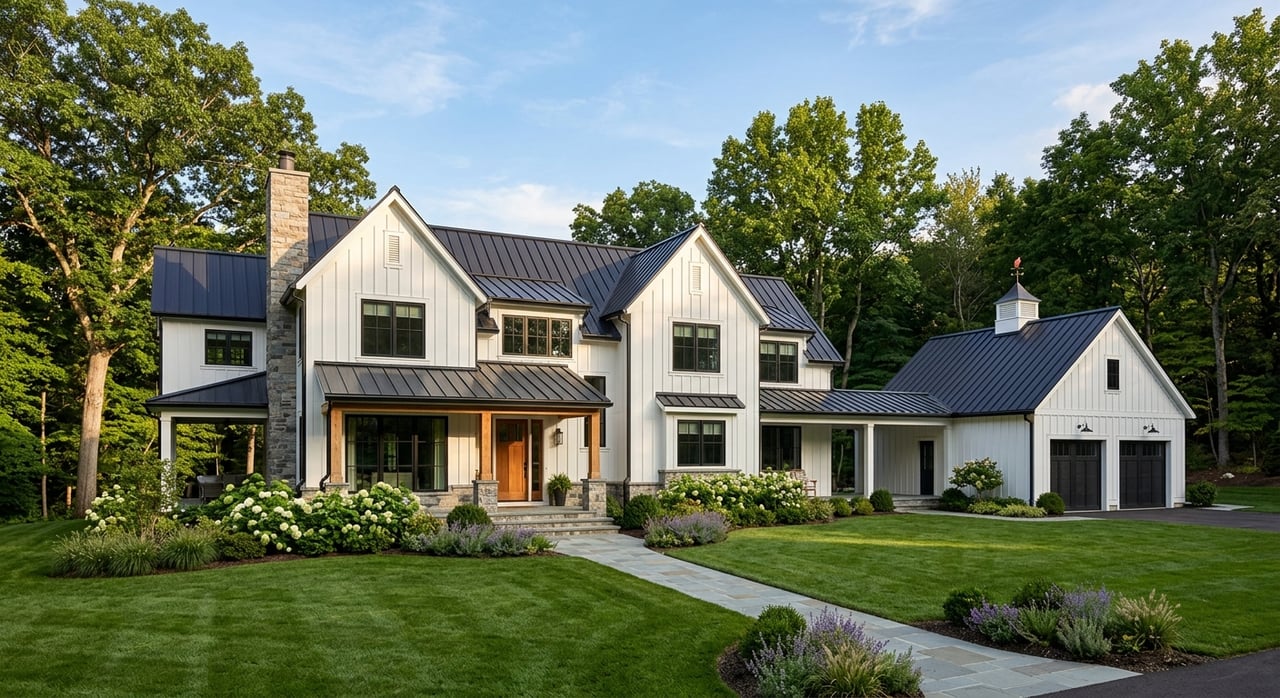
If you have been watching the Saratoga region and wondering where luxury buyers may look next, Malta is worth a closer look. It does not mirror Saratoga Springs, and that is exactly why more buyers are paying attention. Between rising prices, major job investment, and a growing mix of newer housing and amenities, Malta is carving out a distinct place in the market. Let’s take a closer look.
Malta’s Place in the Region
Malta sits in a strategic pocket of Saratoga County, centered around I-87 exits 11 through 13. That location puts you about 10 miles south of Saratoga Springs and roughly 20 miles north of Albany, which helps explain why the town appeals to both commuters and people who split time between home and office.
According to Saratoga County, Malta is a regional job center anchored by GlobalFoundries, Stewart’s Shops, and State Farm. The county also highlights more than 550 acres of open space, six town parks, and access to the Zim Smith Trail, giving the town a practical mix of connectivity and recreation.
The latest U.S. Census QuickFacts add more context. Malta’s population is estimated at 17,526, median household income is $110,425, and 53.4% of adults hold a bachelor’s degree or higher. The same data show a 24.8-minute mean commute time, with 90.8% of households reporting a broadband subscription and 94.5% reporting a computer, which supports the idea that Malta works well for both commuters and remote workers.
Is Malta a Luxury Market?
The short answer is not in the classic Saratoga Springs sense. Malta is not yet a traditional luxury enclave defined by long-established prestige, historic architecture, or the same top-end pricing profile you see in Saratoga Springs.
Still, the town is moving into a more elevated lane. The current evidence suggests Malta is becoming an upper-tier suburban address with luxury-adjacent housing options, strong employment fundamentals, and a broader amenity base than many buyers may expect.
That distinction matters if you are comparing value, lifestyle, and long-term positioning. For some buyers, Malta is less about legacy luxury and more about newer inventory, convenience, and polished suburban living close to Saratoga.
Malta Home Prices in Context
Price is one of the clearest reasons Malta is drawing attention. In February 2026, Redfin reported a Malta median sale price of $480,000, up 9.1% year over year, with homes averaging 46 days on market.
Realtor.com showed a similar January 2026 median listing price of $479,900, along with 79 active listings, a 100% sale-to-list ratio, and a 75-day median time on market. Realtor.com also classified Malta as a seller’s market.
The bigger story appears when you compare Malta to the surrounding market. The Capital District Regional Planning Commission’s 2025 housing report shows Malta’s 2024 average sale price at $430,000, above the Saratoga County average of $415,000 but still well below Saratoga Springs at $600,000.
That pricing gap has only become more noticeable in current listings and sales snapshots. Redfin’s February 2026 median sale price for Saratoga Springs was $760,000, while Realtor.com showed Saratoga Springs at $830,000, and the Saratoga Springs 12020 ZIP above Malta at $604,397. For buyers who want proximity to Saratoga without full Saratoga pricing, Malta stands out.
What Makes Malta Feel More Upscale
A market does not shift on pricing alone. It changes when employment, development, and housing product begin moving in the same direction. That is where Malta’s story gets more compelling.
GlobalFoundries Adds Long-Term Momentum
The biggest structural driver is GlobalFoundries. According to Empire State Development, the company is modernizing its existing Malta fab and building a new state-of-the-art fab expected to create thousands of manufacturing jobs and 9,000 construction jobs.
In January 2025, GlobalFoundries also announced an advanced packaging and photonics center inside its Malta facility. That expansion broadens the area’s semiconductor footprint beyond wafer production and reinforces Malta’s role as a serious employment center in the Capital Region.
For housing, major employment investment often supports demand from professionals seeking convenience, newer homes, and a higher-quality daily experience. That does not automatically create a luxury zip code, but it can strengthen the conditions that lead to more upscale product and price resilience over time.
New Housing Types Are Changing the Mix
Malta’s residential pipeline also looks different from a purely traditional suburb. LeCesse Development says phase two of GrandeVille at Malta added 189 luxury units in 2024, including carriage houses, townhouses, and elevator-serviced apartments, within a 292-unit class A apartment community.
That kind of housing signals a market serving buyers and renters who want convenience, newer finishes, and more amenities. It also suggests Malta is expanding beyond the standard single-family pattern that shaped much of its earlier growth.
Another example is the former Albany-Saratoga Speedway site. WAMC’s reporting via the project summary referenced in the development pipeline noted the Camber Ridge concept as a 50-acre mixed-use project with housing, retail, senior housing, community space, and walking trails.
The Town of Malta’s own 2354 Route 9 planned development district proposal points in the same direction. The plan calls for 20 single-family homes, 50 townhouses, 100 condominiums, 200 multifamily units, 37,000 square feet of commercial space, a community building, open space, and a Zim Smith Trail connection. As of February 2026, the town was still holding a workshop on the project.
The town also updated zoning in 2025 to allow townhouses in several districts and senior housing in downtown GC-3. That policy shift signals a more intentional housing mix and a broader vision for how Malta grows.
Who Malta May Appeal To Most
Malta’s emerging identity is especially relevant if you want a well-connected home base with newer housing options and easier access to the wider Capital Region. The current data suggest the town is well suited to commuters, tech-sector employees, downsizers, and buyers looking for an upper-tier suburban setting without Saratoga Springs pricing.
If trail access, parks, and mobility matter to you, Malta has a practical advantage. The town’s open space, parks, and Zim Smith Trail access create a lifestyle that feels active and connected, while the Northway location supports day-to-day convenience.
The town also appears to be planning around connectivity as development comes online. Census and county information indicate a strong digital infrastructure profile, and the town notes that it works with developers to add sidewalks, trails, and linkages as projects move forward.
For buyers who value historic character, equestrian legacy, or the established prestige of central Saratoga, Malta may not replace those settings. But if your priorities lean toward modern housing, regional access, and upward market momentum, Malta deserves serious consideration.
The Luxury-Address Verdict
So, is Malta the Saratoga region’s next luxury address? Not quite, at least not if you define luxury by the classic Saratoga Springs model.
A more accurate answer is that Malta is becoming a luxury-adjacent, upper-tier suburban market. Its prices already sit above the county average, its employment base is strengthening, and its development pipeline includes more class A, mixed-use, and amenity-rich projects than many nearby suburban areas.
That combination gives Malta a compelling position in the market. You may find a town that offers newer housing forms, strong commuter access, trail connections, and a pricing advantage compared with Saratoga Springs, all while benefiting from meaningful long-term investment.
If you are weighing where to buy, build, or invest in the Saratoga region, Malta is no longer just the practical option south of Saratoga Springs. It is increasingly a place where value, convenience, and elevated housing trends meet.
If you want a tailored view of how Malta compares with Saratoga Springs and other nearby markets, Horse and Home Estates offers a concierge approach grounded in local knowledge, thoughtful market guidance, and a deep respect for place.
FAQs
Is Malta, NY considered a luxury real estate market?
- Malta is not yet considered a classic luxury market in the Saratoga Springs mold, but current pricing, development, and job growth suggest it is becoming an upper-tier suburban market with luxury-adjacent housing options.
How do Malta home prices compare to Saratoga Springs?
- Malta home prices are notably lower than Saratoga Springs. Recent data in the research report show Malta near $480,000, while Saratoga Springs ranged significantly higher depending on source and submarket.
Why is GlobalFoundries important to Malta real estate?
- GlobalFoundries is a major local employment driver, and its modernization and expansion plans are expected to create thousands of jobs and construction roles, which can support housing demand over time.
What types of homes and developments are coming to Malta?
- Malta’s pipeline includes class A apartments, carriage houses, townhouses, condominiums, single-family homes, mixed-use projects, and proposals with open space and trail connections.
Who should consider buying a home in Malta, NY?
- Malta may appeal most to buyers seeking newer housing, strong Northway access, proximity to Saratoga and Albany, trail and park access, and a more attainable price point than Saratoga Springs.